
As an architect, I know that our professional integrity isn't just reflected in the buildings we design; it’s reflected in the choices we make every single day. This includes our wardrobe. For years, I struggled to find clothes that could transition seamlessly from a dusty construction site to a polished client presentation, all while aligning with my core values of longevity, material honesty, and minimal waste.
Fast fashion, with its cheap materials and disposable nature, felt contradictory to the ethos of durable, sustainable building. The search for the right attire isn't just about looking sharp; it’s about performance and principle. We need technical durability for field measuring, breathability for long days, and an aesthetic that conveys competence and minimalist design.
Key Metrics: What Makes Workwear Truly Sustainable for Architects?
Before diving into the brands, let's establish the non-negotiable standards. For our profession, sustainability extends beyond organic cotton; it requires materials designed for a life cycle of decades, not seasons. I look for three primary factors:
- Longevity & Repairability: The most sustainable garment is the one you already own. I prioritize brands with generous warranties, repair programs, or demonstrable commitment to high-quality construction that resists tears, fading, and pilling. This directly mirrors our architectural focus on structure and material lifespan.
- Performance & Material Integrity: Architects require technical features (stretch, moisture-wicking, wrinkle resistance) without relying on virgin synthetics. Look for innovative, closed-loop materials like TENCEL™ Lyocell, ECONYL (recycled nylon from fishing nets), and Recycled Wool, materials that perform like synthetics but carry a lower environmental footprint.
- Certifications & Supply Chain Transparency: We must trust the source. Certifications like B Corp (holistic social and environmental accountability) and GOTS (Global Organic Textile Standard) provide external validation that goes beyond marketing claims.
1. Eileen Fisher - Timeless Minimalism For Professionals

Eileen Fisher has been redefining workwear since 1984 with signature simplicity, sustainability, and inclusivity. The certified B Corp offers minimalist, mix-and-match staples using organic cotton, organic linen, regenerative wool, and recycled fabrics. The brand's aesthetic perfectly matches architects' preference for clean lines and neutral palettes.
Eileen Fisher's Renew program, established in 2009, takes back worn garments for resale, repair, or reworking, generating over $3 million annually while preventing textile waste. This circular approach aligns with architects' understanding of material lifecycles and resource conservation. The brand studies returned garments to improve durability in future designs, a continuous improvement that architects appreciate.
2. Patagonia - Technical Durability Meets Environmental Leadership
Patagonia's founder donated 98% of the company's stock to the Holdfast Collective, fighting climate change. The brand pioneered recycled materials and organic cotton use while maintaining Fair Trade Certified production. Their Worn Wear program encourages repair over replacement, a philosophy architects understand from designing for building longevity.
Patagonia's ranch jackets and technical wear use hemp and other durable protective fabrics built for tough outdoor conditions. The brand's outerwear performs excellently during cold-weather site visits while maintaining a professional appearance. Water-resistant finishes avoid harmful PFAS chemicals, addressing architects' chemical sensitivity concerns.
3. ADAY - Technical Seasonless Workwear
ADAY: Sustainable Fashion Revolution 🛍️✨
ADAY creates technical, seasonless, sustainable clothing using responsible fabrics that are cruelty-free and mostly vegan. Everything is designed for durability and versatility to suit minimalist wardrobes. The brand's technical approach appeals to architects who appreciate engineering and performance.
ADAY fabrics include stretch linen blends, recycled nylon, recycled scuba made from bottles, and TENCEL modal, all Bluesign-approved or OEKO-TEX certified as free from harmful chemicals. Manufacturing partners sign commitments to ILO standards, limited working hours, and fair living wages. The brand offers complete work wardrobes from tops and pants to jackets and dresses.
4. Everlane - Radical Transparency In Basics

Everlane Try On Haul 2021 | Sustainable Fashion Try On Haul
Everlane offers affordable, ethical workwear, including tailored trousers, crisp shirts, modern blazers, and knitwear. The brand uses certified organic cotton, recycled polyester, and TENCEL while sharing detailed factory information and pricing. This transparency resonates with architects accustomed to specifying material sources.
Everlane's climate reduction targets are approved by the Science Based Targets Initiative, including achieving Net-Zero emissions by 2050. The brand has committed to eliminating virgin plastic from its supply chain. Public disclosure of manufacturing costs and processes sets industry standards for accountability that architects value.
5. Kotn - Egyptian Cotton Excellence
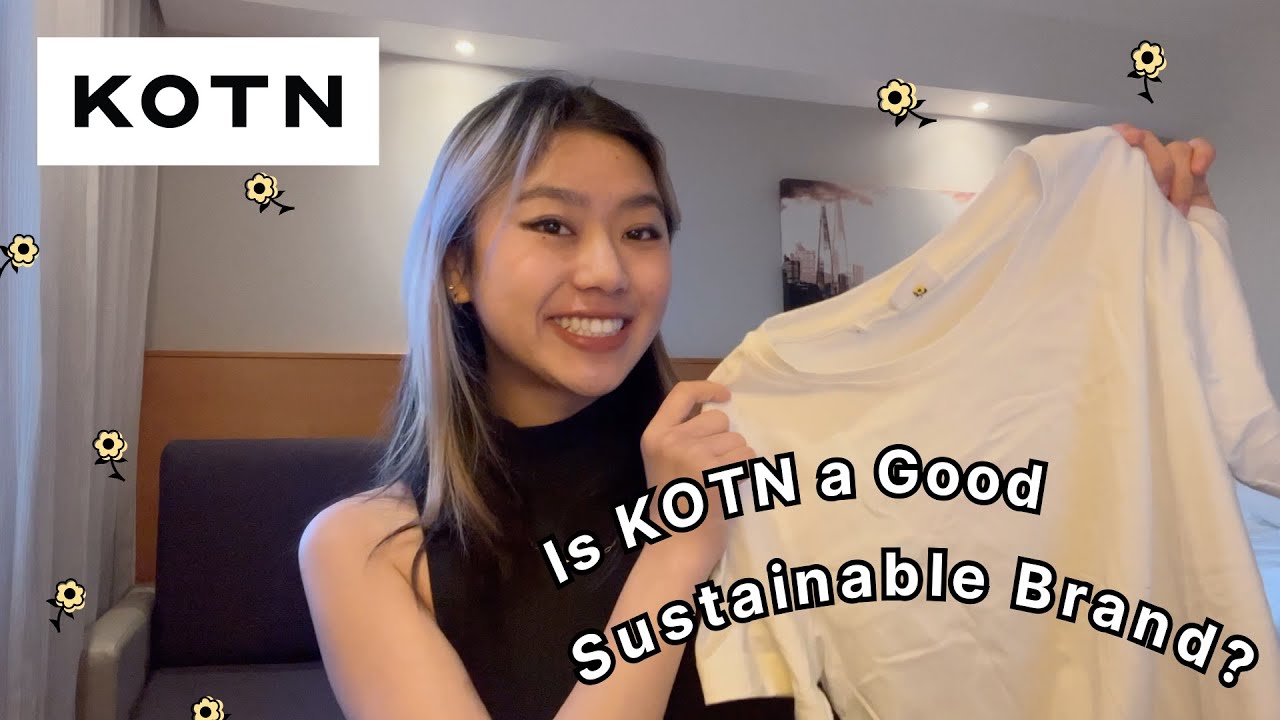
KOTN Clothing Review and Try On | Is it a good Sustainable Brand?
Kotn is a certified B Corp that buys materials directly from small farms throughout Egypt's Nile Delta, ensuring fair wages for farmers. The brand uses biodegradable natural fibers, including Egyptian cotton, linen, Lyocell, and merino wool. Direct trade models ensure transparency from farm to finished garment.
Kotn has built and operates 7 schools in rural Egypt as part of its commitment to promoting access to education where its cotton is grown. This community investment approach mirrors architects' understanding of projects' broader social impacts. The brand's minimalist designs in quality natural fibers appeal to architectural sensibilities.
6. Filippa K - Scandinavian Minimalism
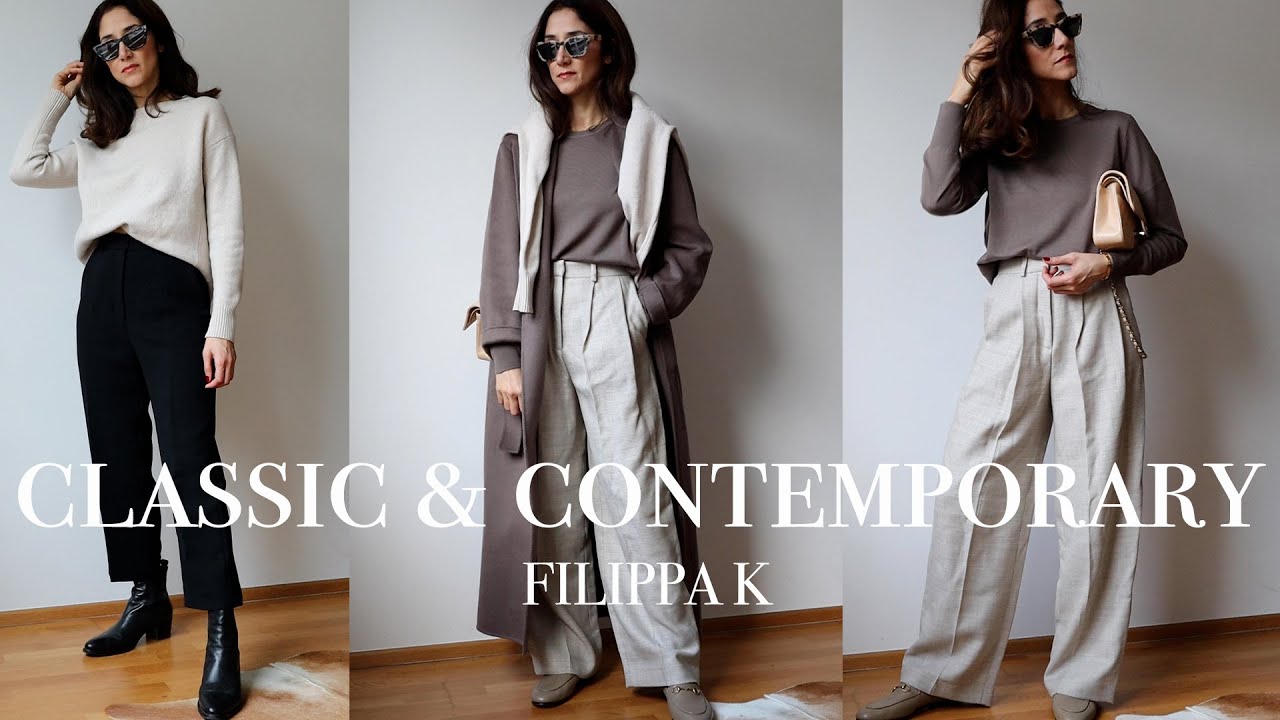
Winter to Spring Haul/Outfits | Transitional Pieces - Filippa K Haul
Filippa K has been dedicated to crafting thoughtfully designed classics embodying Scandinavian minimalism for over 30 years. The brand is deeply committed to sustainability with traceability and social responsibility initiatives, plus ambitious greenhouse gas reduction goals. Their aesthetic aligns perfectly with architects' appreciation for Nordic design principles.
Filippa K uses GOTS-certified organic cotton and GRS-certified recycled fabrics. The brand maintains complete supply chain traceability and demonstrates impressive progress toward emissions reduction targets. Long-standing commitment to "less but better" philosophy makes them natural partners for architects designing for longevity.
7. Taylor Stitch - Crowdfunded Quality Menswear
Taylor Stitch specializes in rugged, long-lasting menswear using hemp, recycled wool, and upcycled cotton. Their Workshop crowdfunding model reduces waste by allowing customers to pre-order designs before full production. This made-to-order approach prevents overproduction waste that bothers environmentally conscious architects.
Taylor Stitch's "Boss Duck" fabric combines hemp with recycled polyester for heavy-duty workwear performance. Their leather is sourced as a byproduct from tanneries holding Gold certifications from The Leather Working Group. The brand's emphasis on improving classic designs over chasing trends mirrors architects' focus on timeless solutions.
8. Asket - Permanent Wardrobe Philosophy
Asket makes beautiful menswear designed around a permanent wardrobe concept. Each piece is compatible with the next, making capsule wardrobe creation simple. The brand emphasizes timeless clothing not bound by seasonal trends. This philosophy deeply resonates with architects tired of fashion industry waste.
Asket provides complete transparency in its supply chain, detailing the origin, cost, and production process of every garment. Their enduring Oxford shirts and versatile chinos are wardrobe foundations. The brand's commitment to durability and transparency makes it ideal for architects who specify similar principles in building materials.
9. Tentree - Environmental Action Through Fashion

Tentree creates sustainable office wear using organic cotton, TENCEL Lyocell, and recycled polyester. The company is Climate Neutral certified and plants 10 trees with every purchase. The tangible environmental impact appeals to architects who understand buildings' carbon footprints.
Tentree offers a take-back program for all brands' garments and actively reduces shipping emissions. The brand publishes detailed sustainability reports demonstrating transparency. Their commitment to replacing single-use plastics and eliminating virgin packaging materials shows the comprehensive sustainability thinking that architects appreciate.
10. Quince - Affordable Sustainable Essentials
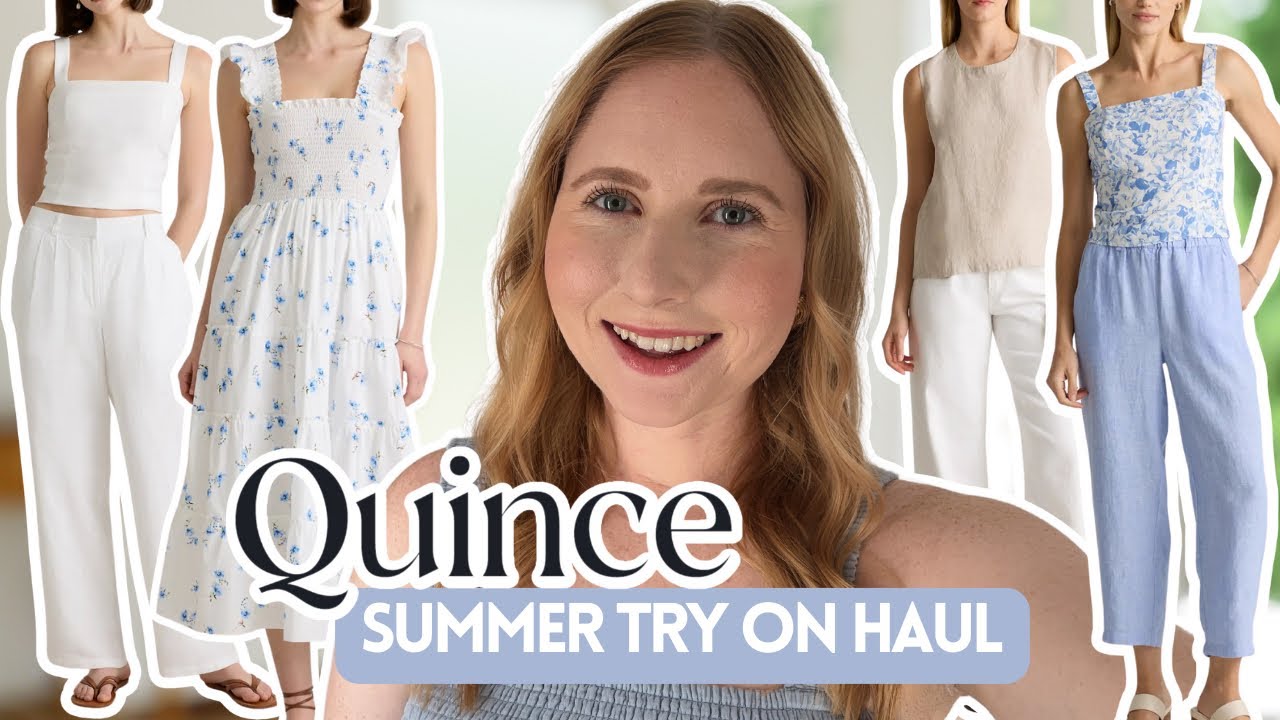
QUINCE SUMMER TRY-ON HAUL 💙 Summer Clothing Staples Under $100 from Quince! #onequince #quincehaul
Quince makes affordable, sustainable workwear by shipping directly from factories, cutting out middlemen and excessive packaging. Eco-friendly materials include recycled polyester, organic cotton twill, and washable silk. The direct-to-consumer model delivers quality at accessible prices without compromising sustainability.
Quince combats consumer waste through a manufacturer-to-consumer model, minimalistic packaging, and timeless styles built to last. They sell premium cashmere for under $80. For architects just starting sustainable wardrobe transitions, Quince provides accessible entry points without financial strain.
11. Reformation - Sustainable Style Leader

Reformation is a Climate-Neutral certified Los Angeles-based brand transparent about its factories and production methods. Many clothes are produced locally in Los Angeles using viscose, cupro, and recycled polyester. The brand's strong aesthetic identity attracts architects who appreciate design-forward, sustainable fashion.
Reformation's RefScale tool quantifies each garment's environmental impact, providing transparency that architects appreciate when specifying materials. The brand prioritizes deadstock and sustainable fabrics while maintaining trend-aware designs. Their combination of style consciousness and environmental responsibility appeals to younger architects building professional wardrobes.
12. Ministry of Supply - Performance Professional Wear
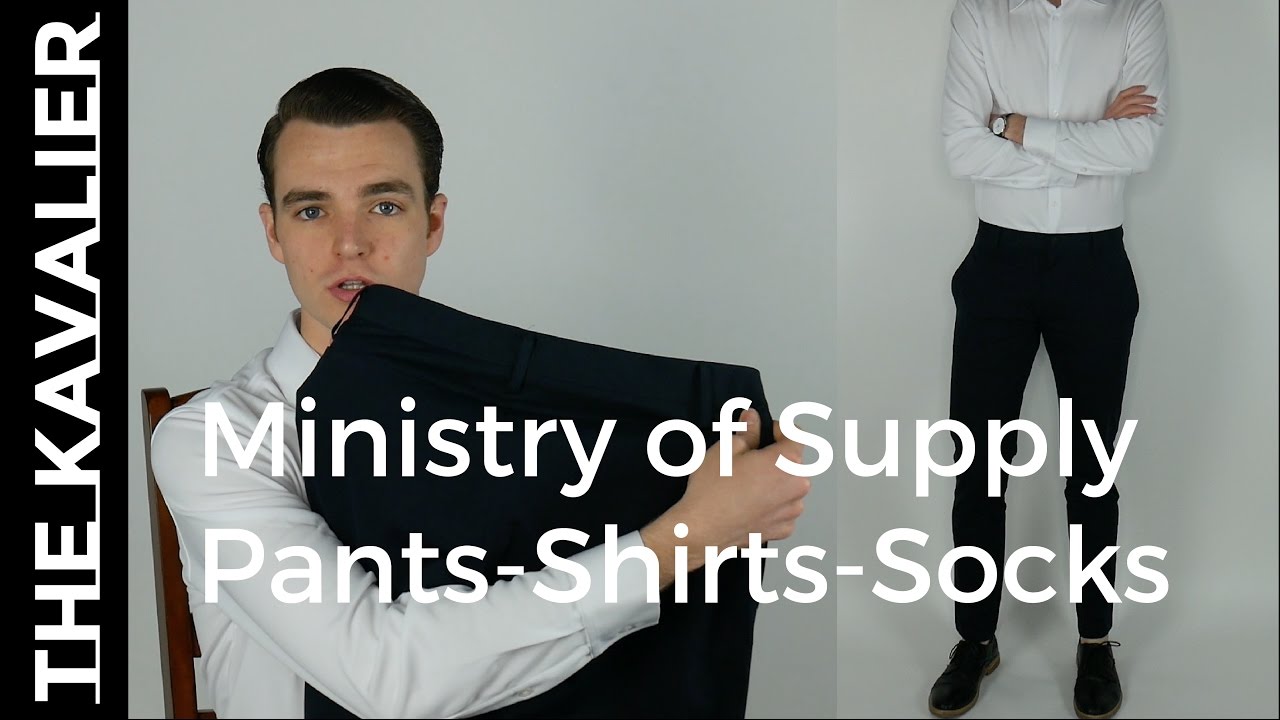
Sweatpants at Work? Basically. | Ministry of Supply Pants and Performance Shirts
Ministry of Supply, born in MIT labs, creates clothes for motion, comfort, easy care, and the planet. Their clothes use recycled and bio-based fabrics through 3D Print-Knit production, an on-demand, zero-waste production technique. The technical innovation appeals to architects who appreciate engineering solutions.
The brand's focus on performance fabrics that don't wrinkle, resist odor, and maintain appearance through long wear days solves practical problems architects face. Temperature-regulating materials work across variable environments from air-conditioned offices to sun-baked construction sites. Their technical approach to professional clothing mirrors architects' technical approach to design.
13. Outerknown - Coastal Professional Aesthetic

Outerknown, founded by pro-surfer Kelly Slater, operates at the intersection of style and sustainability. Their menswear features sustainable jeans, shirts, sweats, and layering pieces. The brand balances a laid-back California aesthetic with professional functionality that works in more relaxed architecture offices.
Outerknown uses organic cotton, recycled materials, and Fair Trade Certified production. Their transparent supply chain and commitment to worker welfare align with architects' social responsibility values. The coastal-inspired designs work well for firms in warmer climates or those embracing business casual dress codes.
14. People Tree - Fair Trade Pioneer
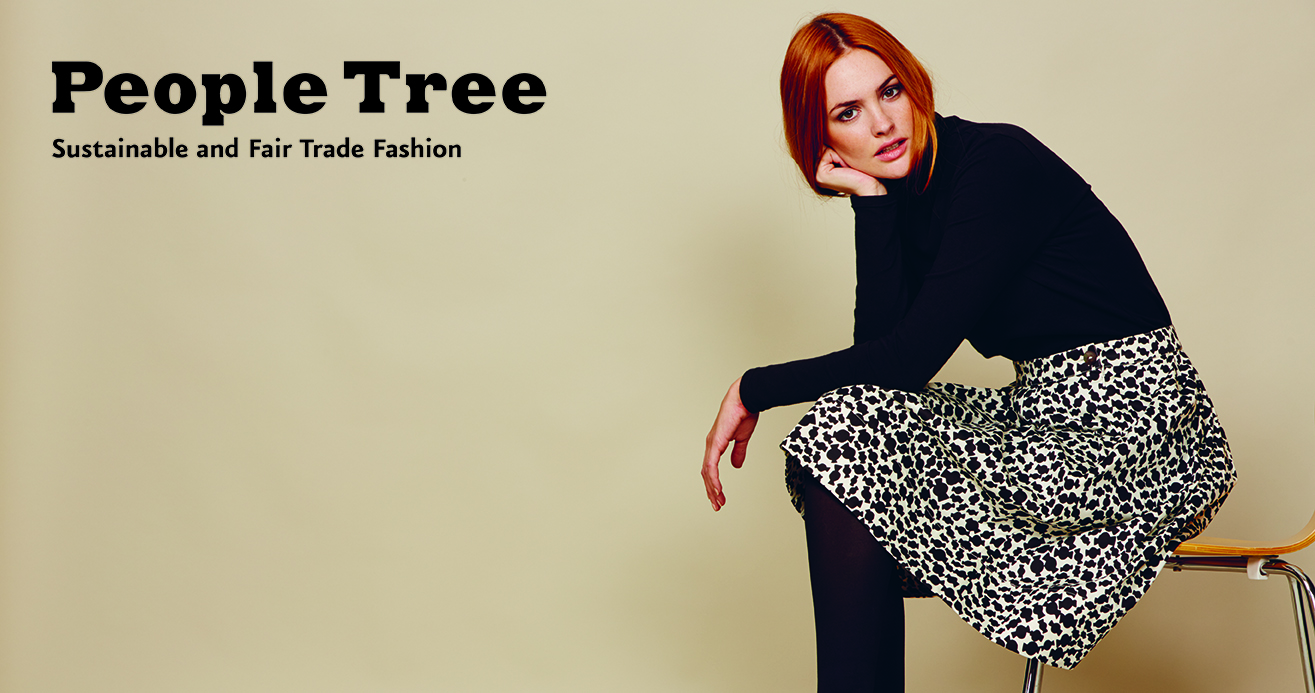
People Tree was the first fashion brand to receive Fair Trade certification. They offer classic styles and neutral colors that accessorize easily while lasting many years. The brand uses traditional artisan skills like hand weaving, knitting, embroidery, and block printing. Their craftsmanship appreciation resonates with architects who value skilled trades.
People Tree harvests rainwater and recycles water used in production processes, demonstrating comprehensive environmental thinking. The brand's commitment to preserving traditional craft techniques while maintaining modern aesthetics appeals to architects balancing heritage and innovation in their own work.
15. Stella McCartney - Luxury Sustainable Fashion
Stella McCartney offers classic workwear with modern flair, never using leather or fur. The brand uses recycled polyester, organic cotton, and silk while working closely with suppliers to ensure ethical standards across four supply chain tiers. Her luxury positioning proves sustainable fashion can be aspirational and desirable.
McCartney actively contributes to environmental preservation by protecting endangered forests. Her work proves ethical fashion can be stylish, luxurious, and desirable, debunking misconceptions. For architects leading firms or working on high-profile projects, McCartney's pieces make strong impression statements while maintaining sustainability principles.
16. Pact - Organic Cotton Basics

Mini-haul from Pact | Minimalist organic basics
Pact specializes in quality basics made ethically in Fair Trade Certified factories with 100% organic cotton. The Boulder-based brand creates some of the softest, most sustainable basics available. Their focus on foundational pieces provides architects with reliable wardrobe essentials.
Pact's commitment to accessible, sustainable fashion makes organic cotton affordable for architects at any career stage. The brand's straightforward approach without complex marketing appeals to architects who appreciate honest, functional design. Comprehensive basics coverage from underwear to outerwear simplifies sustainable wardrobe building.
17. Encircled - Canadian Workleisure

Encircled prioritizes comfort as much as sustainability with their "workleisure capsule" that looks dressy enough for offices while feeling comfy enough for off-duty wear. The Canadian slow fashion brand crafts garments ethically in Toronto from ultra-soft, low-impact fabrics like LENZING TENCEL Modal. Pieces mix and match effortlessly for streamlined morning dressing.
The brand's focus on versatile, comfortable professional wear addresses architects' need for clothes that sustain focus through long design sessions while maintaining client-meeting appropriateness. Made-in-Canada production ensures fair wages and working conditions while supporting local manufacturing.
18. Timberland - Sustainable Work Boots
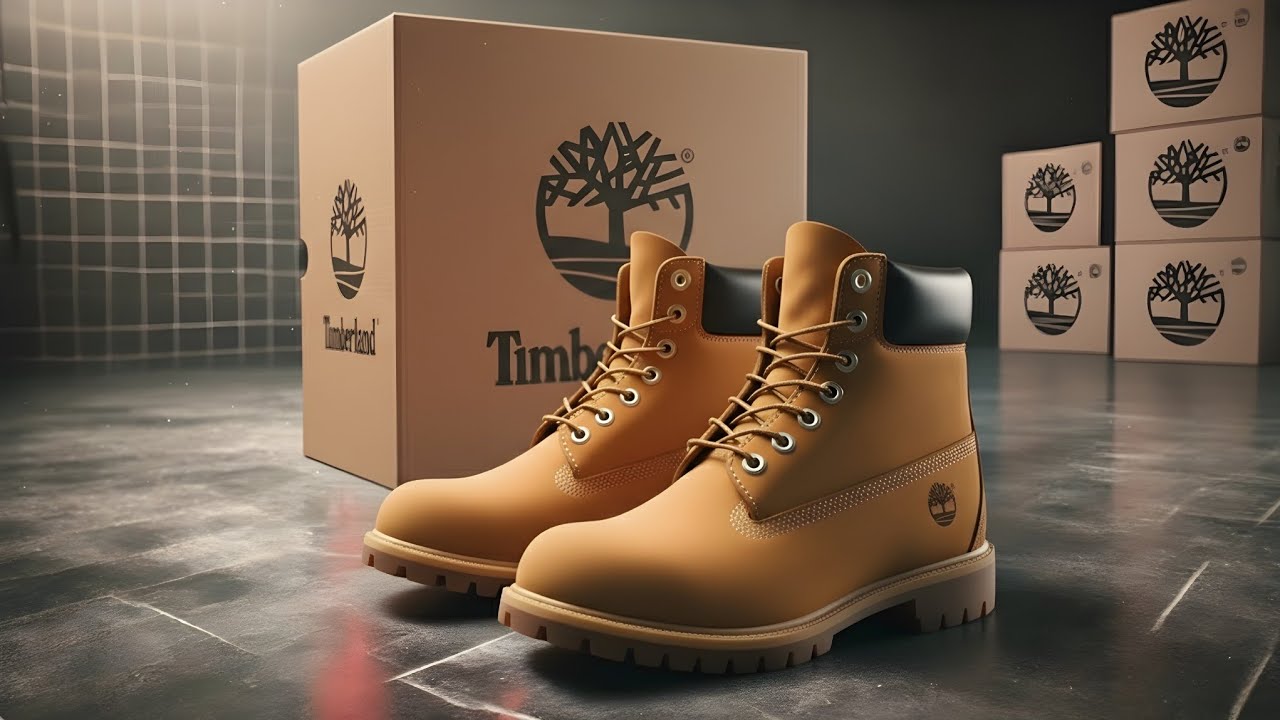
Timberland Premium 6-Inch icon Boots | Unboxing & Reviewing – How to Spot the Real Deal!
Timberland's waterproof boots are a classic go-to for construction workers or anyone needing comfortable, dry, protected feet. The brand is making progress for the environment and workers with hardy products and has good animal welfare policies. For architects, proper footwear for site visits is non-negotiable safety equipment.
Timberland has committed to using recycled, organic, and renewable materials across its product lines while improving factory conditions. Their boots provide necessary protection for construction site visits while lasting years with proper care. The brand's focus on durability aligns with sustainable fashion's emphasis on longevity over replacement.
19. MUD Jeans - Circular Denim Model
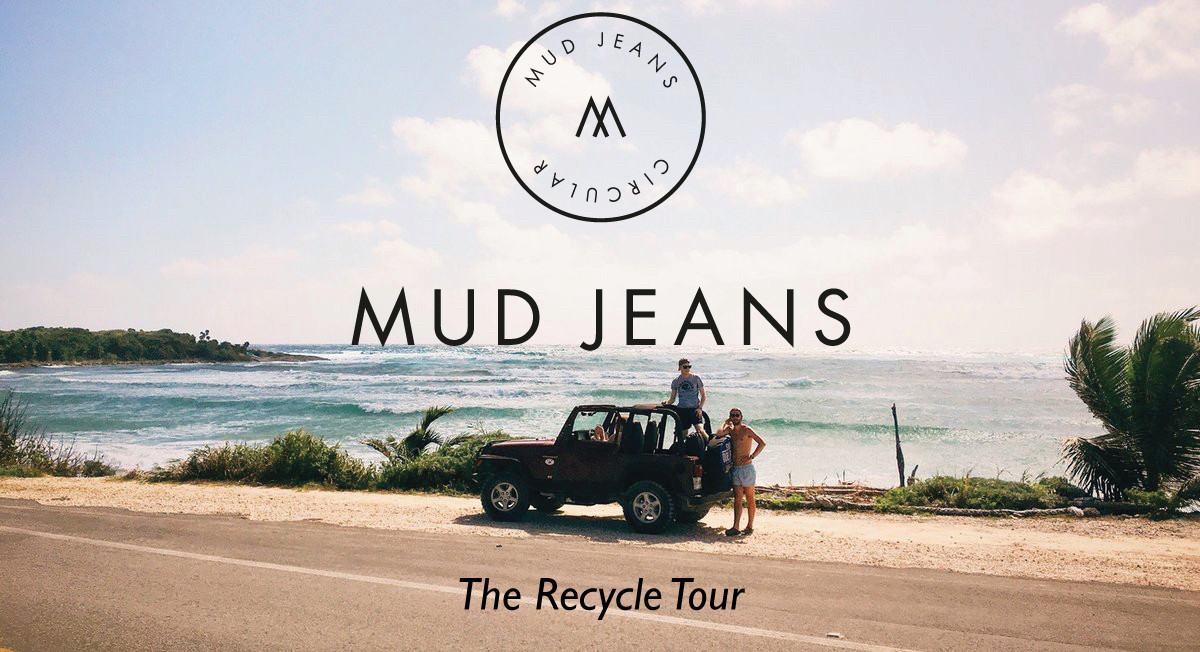
MUD Jeansuses GOTS-certified organic cotton and post-consumer recycled cotton. The Dutch brand offers repair services and a rental service where you can lease jeans for up to a year. This circular business model represents future-forward thinking that architects understand from designing for adaptability.
The lease-to-own option allows architects to access quality sustainable denim without full upfront costs while ensuring jeans return for recycling at the end of life. The brand's commitment to closing the loop on textile waste demonstrates the systems thinking that architects apply to building material flows.
20. Universal Standard - Size-Inclusive Workwear
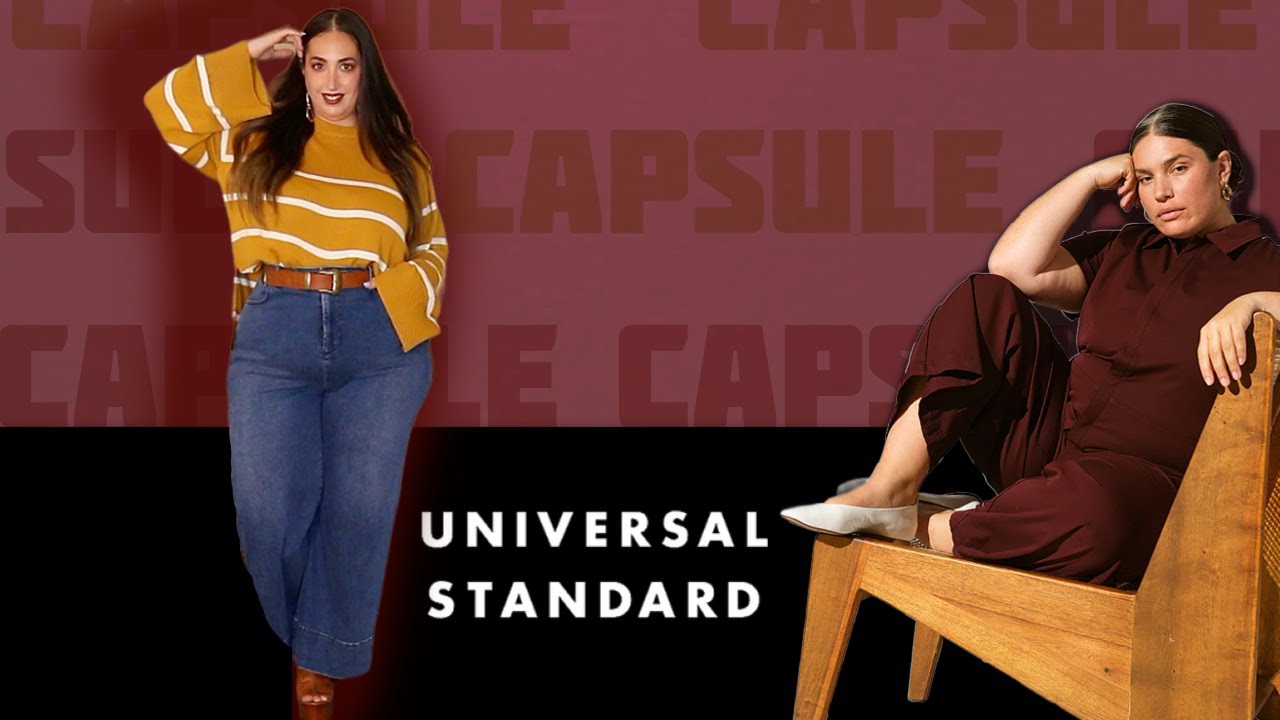
Pre-Fall Capsule for Every Body | Universal Standard Plus Size Try-On Haul 2025
Universal Standard is the most size-inclusive brand, offering workwear-friendly items and classics without specific capsule collections. They pride themselves on super high-quality and long-lasting clothing. The brand's commitment to serving all body types addresses the fashion industry's historical exclusivity.
Universal Standard's focus on timeless, well-constructed pieces that fit properly across size ranges ensures every architect can build sustainable professional wardrobes. Their quality-over-quantity philosophy and inclusive sizing make sustainable workwear accessible regardless of body type, important for architects who've been underserved by traditional fashion.
Addressing Common Architect-Specific Concerns
Site Safety Requirements
Steel-toed boots, hard hats, and high-visibility vests remain necessary regardless of sustainability concerns. Construction sites require protective gear, including hard hats, steel-toed boots, safety glasses, and high-visibility waterproofs for the architect's safety. Focus on buying quality safety equipment from brands like Timberland that lasts longer and come from companies with improved environmental practices.
Keep dedicated site visit clothing separate from client-meeting wardrobes. Rugged chinos or work pants from Taylor Stitch paired with durable shirts handle construction environments without compromising your professional wardrobe. This separation extends your nicer pieces' lifespan while ensuring appropriate attire for physically demanding field work.
Budget Realities
Sustainable fashion often costs more upfront due to fair wages, quality materials, and ethical production. However, cost-per-wear calculations favor quality, sustainable pieces. A $200 Patagonia jacket lasting 10 years costs $20 annually, versus a $50 fast fashion jacket replaced every year.
Start transitions gradually. Replace fast fashion pieces as they wear out rather than discarding functional clothing to buy sustainable alternatives, which defeats the environmental purpose. Begin with frequently worn items like work pants or blazers, where quality improvements provide maximum benefit. Brands like Quince, Pact, and Everlane offer accessible entry points without premium prices.
Professional Image Concerns
An architect's attire significantly shapes their professional image, reflecting attention to detail, respect for their environment, and adherence to industry standards. Sustainable fashion doesn't mean sacrificing polish or professionalism. Brands like Filippa K, Eileen Fisher, and Stella McCartney produce sophisticated pieces indistinguishable from conventional luxury brands.
The growing mainstream awareness of sustainability actually enhances professional image when you can articulate why you choose certain brands. Clients increasingly expect architects to demonstrate environmental values. Wearing sustainably-produced clothing that you can speak knowledgeably about reinforces your firm's commitment to responsible design.
Limited Options For Specific Needs
The sustainable fashion industryis still developing comprehensive solutions for all wardrobe needs. When sustainable options don't exist for specific items, prioritize the most important sustainability factors: fair labor, durability, and end-of-life options matter more than perfect materials for occasional-wear pieces like formal suits.
Buy secondhand for hard-to-find sustainable items. Vintage and consignment shops often carry quality pieces from conventional brands at a fraction of original costs while preventing waste. Online platforms like Vestiaire Collective, ThredUp, and Poshmark expand secondhand access significantly.
See Also: Adaptive Clothing For Work Environments
Frequently Asked Questions
Are sustainable workwear brands always more expensive than fast fashion?
The upfront cost is typically higher because the price reflects the true cost of ethical labor, sustainable material sourcing, and higher-quality construction built for durability. However, the cost per wearis drastically lower. Fast fashion items are often designed to last 10-20 washes, while quality sustainable pieces are investments intended to last for decades, reducing the long-term need for replacement.
What is the most critical certification to look for in a sustainable brand?
I prioritize the B Corp Certification. While GOTS or OEKO-TEX focus on materials, B Corp assesses the entire business, governance, workers, community, and environmental impact. For a professional choice, this holistic transparency best reflects the comprehensive ethical approach we apply to architecture.
What technical fabrics are best for architects who sweat during site visits?
Avoid traditional cotton or non-recycled polyester, as they retain moisture. The best sustainable options are Merino Wool (naturally antimicrobial and thermoregulating), TENCEL™ Lyocell (highly breathable, soft, and moisture-wicking), and Recycled Nylon treated with a Durable Water Repellent (DWR) finish for lightweight, quick-drying performance.
How do I maintain these high-quality items to maximize their lifespan?
Maintenance is key to sustainability. Always follow care labels; often this means cold washing, air drying, and minimal use of harsh detergents. Utilizing repair services (like Nudie’s or Patagonia's) and only washing garments when truly necessary dramatically extends their life and reduces microplastic shedding from synthetics.
Can I achieve the minimalist architect aesthetic with sustainable brands?
Absolutely. The core tenets of sustainable fashion, longevity, quality, and timelessness, naturally align with the minimalist aesthetic. Brands like Eileen Fisher, Kowtow, and Asket build their entire collections on neutral palettes, clean lines, and simple, highly functional silhouettes, creating a professional look that is sharp, confident, and never trendy.
Conclusion
The connection between sustainable wardrobe choices and architectural practice runs deeper than surface-level consistency. When you specify FSC-certified wood, low-VOC paints, and responsibly sourced materials in building projects, your clothing choices either reinforce or undermine that commitment.
Clients and colleagues notice the alignment, or the contradiction. The brands featured here represent starting points, not exhaustive options. The sustainable fashion landscape evolves rapidly as consumer demand drives innovation and more brands commit to ethical production.
Research brands independently, ask questions about their practices, and hold them accountable through your purchasing decisions. Your professional position gives you influence beyond individual buying power; firms can establish preferred vendor relationships, negotiate group discounts, or include sustainable clothing budgets.
If this guide helped you rethink your wardrobe’s architecture, please consider sharing it with your colleagues to help build a more sustainable future for our industry.