50 French Fashion Designers Behind Iconic Trends And Creations
For over three centuries, France has set the standard in fashion, producing more legendary designers than any other nation. The French fashion designers featured here have shaped global style, from 19th-century founders of luxury maisons to contemporary innovators redefining sustainability, gender fluidity, and modern couture.
Their work includes timeless creations like the little black dress, Le Smoking tuxedo, and iconic prêt-à-porter collections that continue to influence designers worldwide.
This guide highlights 50 French fashion designers, both household names and lesser-known pioneers, showing how rigorous craftsmanship, artistic mentorship, and relentless innovation built France’s unmatched fashion legacy.
1. Louis Vuitton (1821-1892)
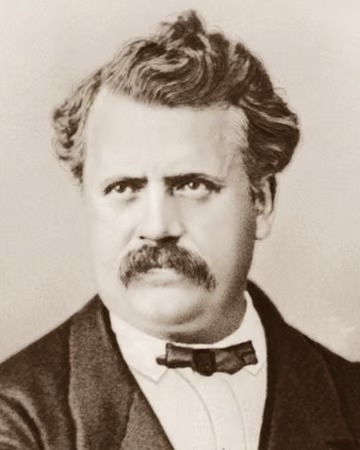
Louis Vuitton walked from his home in eastern France to Paris at age 16, apprenticing for 17 years as a trunk maker before founding his company in 1854. His innovation was functional: creating flat-topped trunks from lightweight canvas that stacked securely, replacing the traditional rounded leather trunks that couldn't be efficiently stored.
The LV monogram, designed by his son Georges in 1896, became one of history's most recognized luxury symbols. What began as a practical solution to luggage needs evolved into a global empire representing luxury travel and craftsmanship.
Vuitton didn't design clothing, but his business model, combining artisanal quality with brand prestige, provided the blueprint every subsequent fashion house followed. Today, this legacy persists as the blueprint for high-value fashion brandsthat define the global luxury market.
2. Charles Frederick Worth (1825-1895)
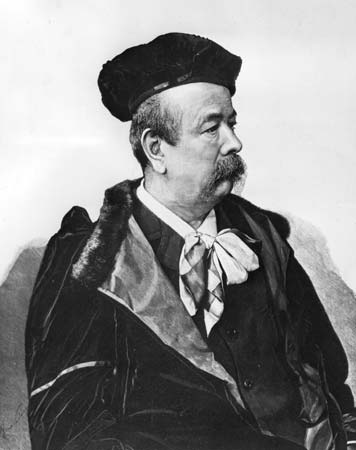
Though English-born, Charles Frederick Worth founded haute couture as we know it in Paris. Before Worth, dressmakers were anonymous craftspeople who executed clients' ideas. Worth revolutionized this by becoming the first designer to sign his work and present seasonal collections on live models.
Opening his couture house in 1858, Worth dressed European royalty and American industrialists' wives, establishing the precedent that fashion designers were artists whose vision clients sought, not mere tailors following instructions. His label, "Worth of Paris," created the concept of designer as brand a principle that governs luxury fashion today.
Worth's true legacy was professionalizing fashion design as an art form worthy of an artistic signature and creative control.
3. Jeanne Lanvin (1867-1946)
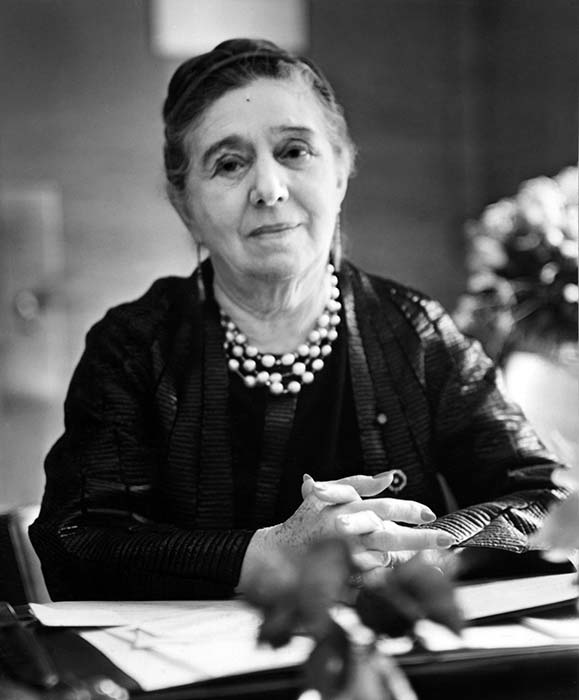
Jeanne Lanvin built her fashion empire from children's clothing, an unusual origin that shaped her aesthetic. Starting as a milliner in 1885, Lanvin began creating dresses for her daughter that attracted so much attention from other mothers that she established a children's wear business in 1896.
Her signature mother-daughter designs reflected a deeply personal approach to fashion. Lanvin expanded into women's fashion by 1909, then menswear, creating one of Paris's most comprehensive fashion houses. Her designs emphasized feminine elegance with intricate embroidery and her signature "Lanvin blue" color.
4. Caroline Reboux (1837-1927)
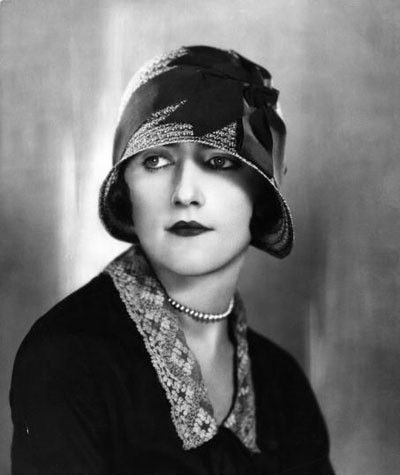
Caroline Reboux transformed millinery into high art. Opening her Paris shop in 1865, Reboux created hats that were sculptural statements rather than mere accessories. Her designs combined architectural structure with delicate embellishments, attracting clients including royalty and actresses.
While less remembered today than clothing designers, Reboux's influence on accessories as essential fashion components was foundational. She proved that mastery of a specific category of hats, in her case, could establish a designer as essential to fashionable society.
5. Paul Poiret (1879-1944)
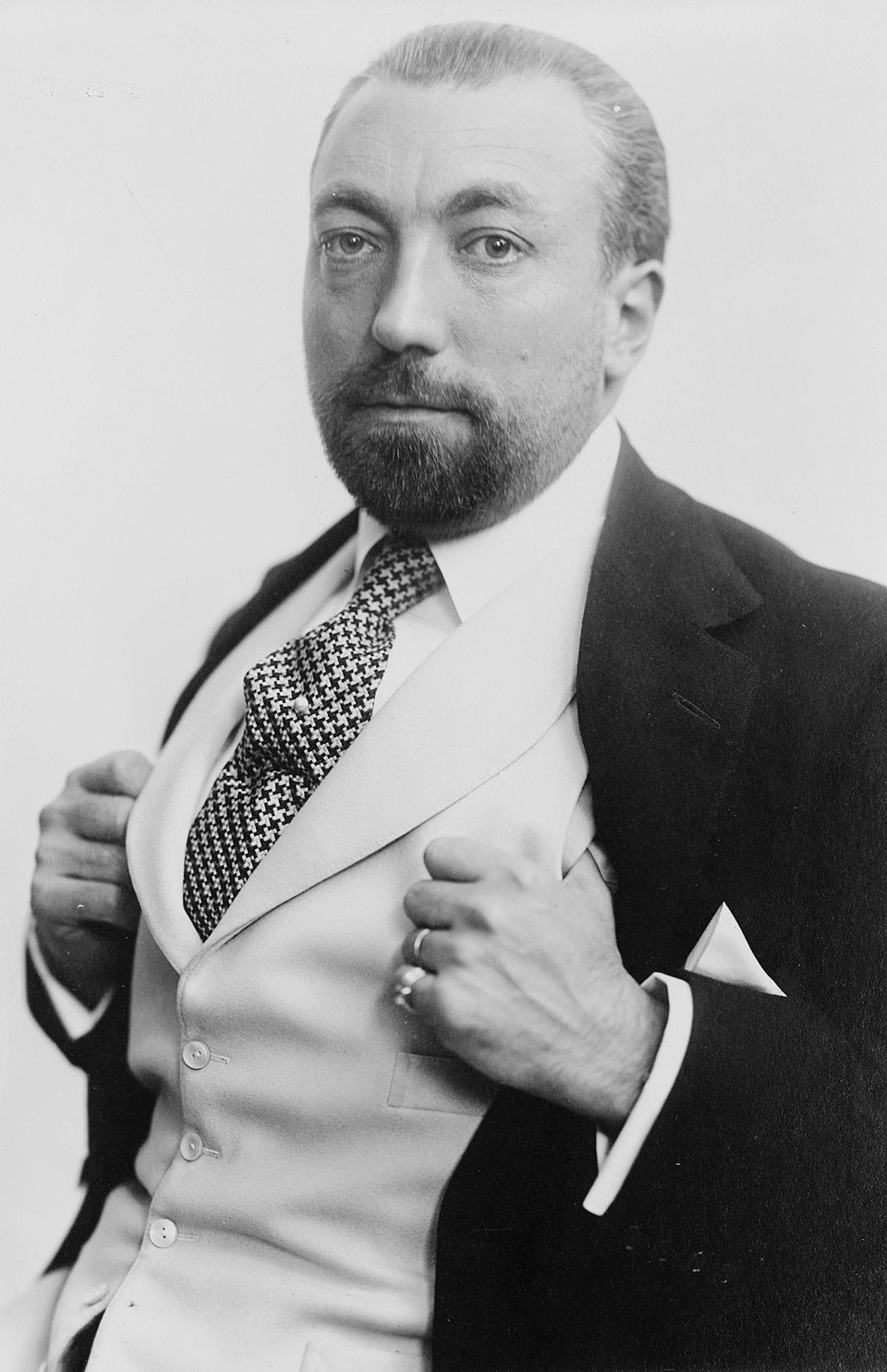
Paul Poiret declared war on the corset. Working initially under Jacques Doucet and later at Worth, Poiret launched his own house in 1903 with a radical mission: liberating women's bodies from restrictive undergarments.
His designs drew inspiration from Oriental aesthetics, introducing flowing silhouettes, bold colors, and exotic influences that scandalized conservative Paris. Poiret created the "lampshade" tunic dress and popularized harem pants, giving women unprecedented freedom of movement.
Beyond design, Poiret understood fashion as a total lifestyle. He launched perfumes, organized theatrical fashion shows, and positioned himself as the "King of Fashion" a marketing genius who understood designers as celebrities.
6. Coco Chanel (1883-1971)
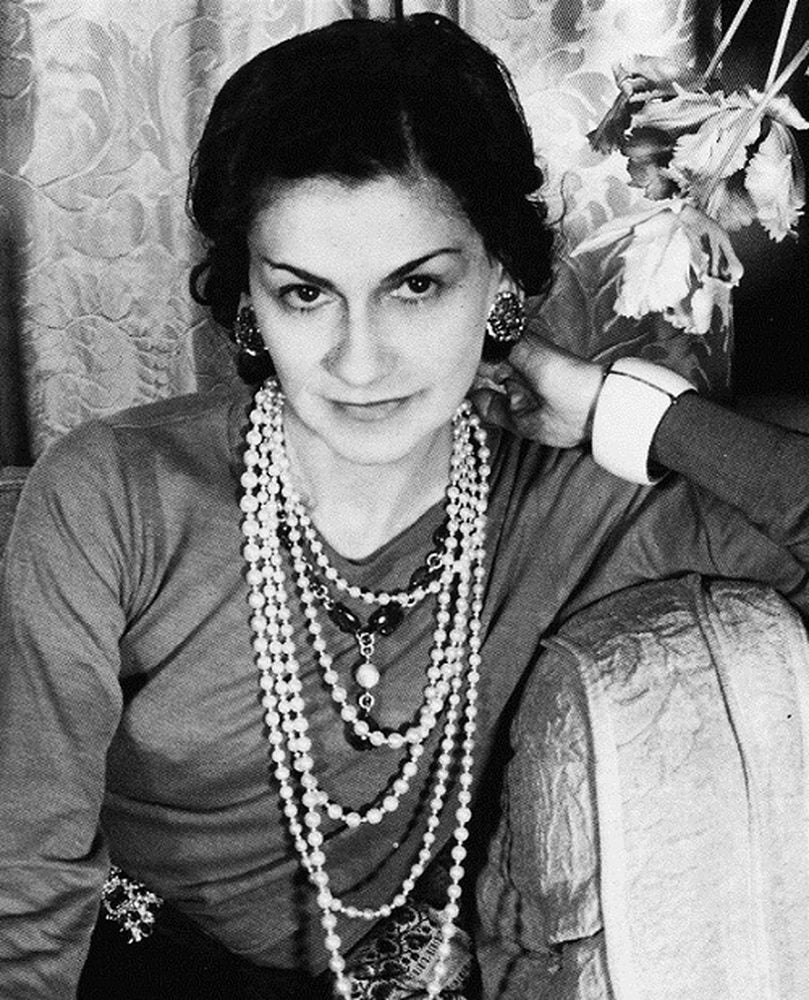
From humble beginnings in provincial France, Gabrielle "Coco" Chanel built one of fashion's most iconic empires, transforming 20th-century women's style with comfort, practicality, and effortless elegance. Opening her first hat shop in 1910, she expanded into clothing during World War I, creating functional garments for working women.
Innovations like the little black dress (1926) and menswear-inspired tweed suits made chic sophistication accessible without sacrificing comfort. Chanel No. 5, launched in 1921, was the first perfume to bear a designer's name, introducing a new revenue model and defying conventional single-flower scents.
Her philosophy, "luxury must be comfortable, otherwise it is not luxury," guided her designs. This business acumen allowed her to transcend fashion, cementing her place among the wealthiest French iconsand ensuring her brand's financial dominance for decades. Despite closing her house during World War II, Chanel returned at 71 in 1954, proving her creations were timeless, not trendy.
7. Jean Patou (1880-1936)
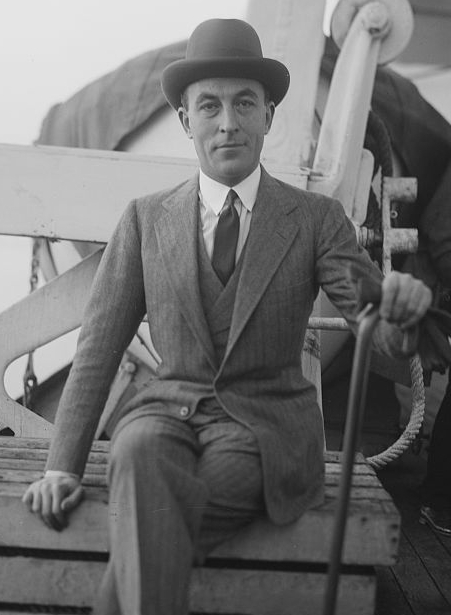
Jean Patou opened Maison Parry in 1914, quickly becoming Chanel's main rival in defining 1920s modernism. He elevated sportswear to high fashion, designing elegant tennis dresses and swimwear that combined freedom of movement with sophistication.
Dressing tennis champion Suzanne Lenglen, Patou celebrated athleticism as a symbol of modernity and health, using geometric patterns, bold colors, and comfortable fabrics. His house also pioneered designer fragrances, with Joy becoming one of history's most expensive perfumes, reflecting his vision of active, independent women and fashion’s shift toward practicality.
8. Christian Dior (1905-1957)
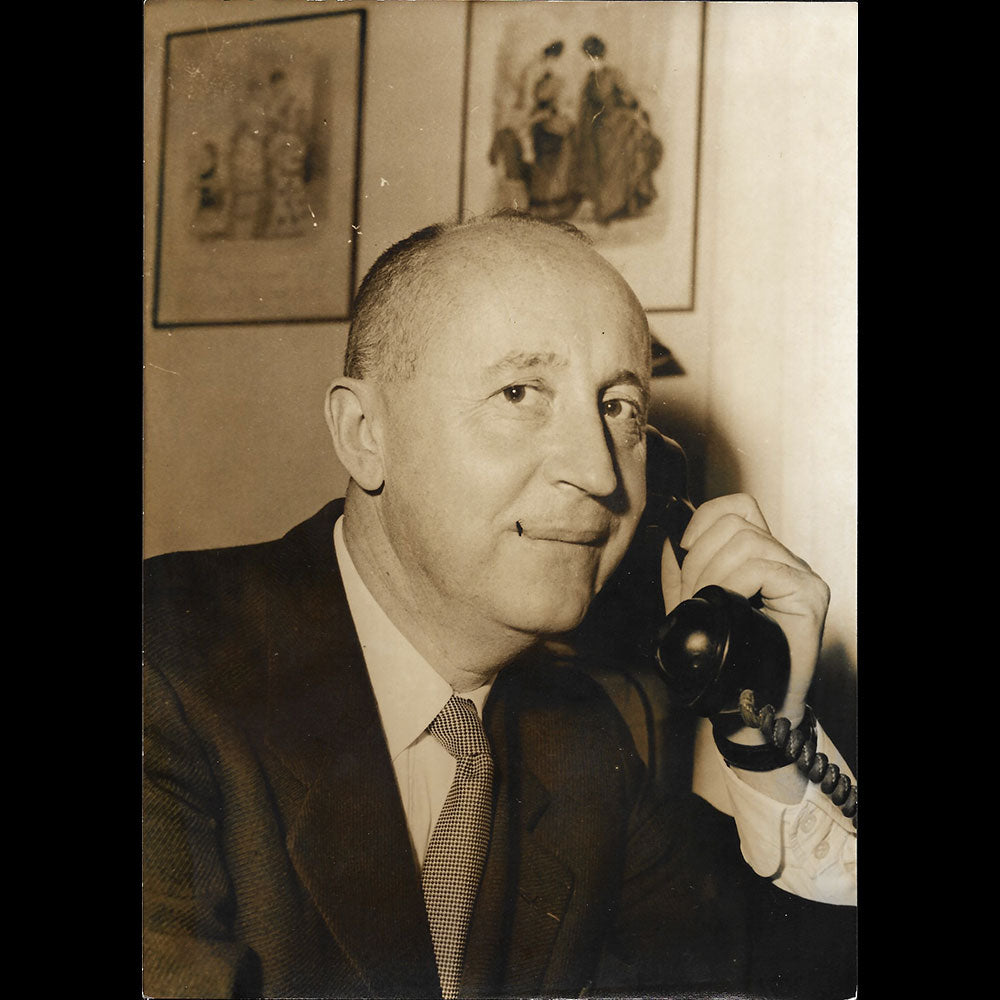
Christian Dior began his career in art galleries and costume design before apprenticing at Lucien Lelong’s couture house. In 1946, with backing from textile magnate Marcel Boussac, Dior launched his own house and unveiled the "New Look" in 1947, featuring cinched waists and full skirts that defined post-war femininity.
Critics called it extravagant, but women embraced it as a symbol of prosperity. Dior’s expansion into accessories and ready-to-wear created the modern luxury business model. His legacy remains a cornerstone of style, influencing everything from high couture to modern casual friday wear essentialsthat prioritize structured elegance.
9. Pierre Balmain (1914-1982)
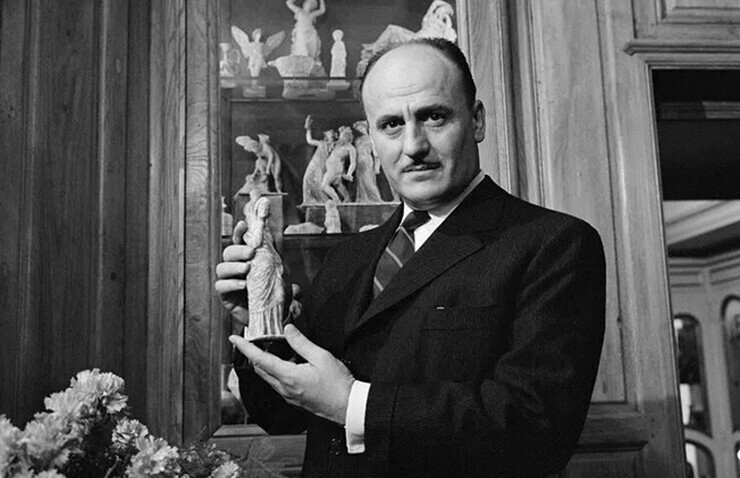
Pierre Balmain worked alongside Christian Dior at Lucien Lelong’s couture house before opening his own atelier in 1945. While Dior favored dramatic silhouettes, Balmain created the "Jolie Madame" aesthetic, elegant, refined femininity without theatrical excess.
He understood international markets, especially America, dressing Hollywood stars like Katharine Hepburn, Sophia Loren, and Brigitte Bardot. Balmain’s designs combined French sophistication with practical wearability, and his house expanded into fragrances and accessories, becoming a lasting symbol of elegant, wearable luxury.
10. Cristóbal Balenciaga (1895-1972)
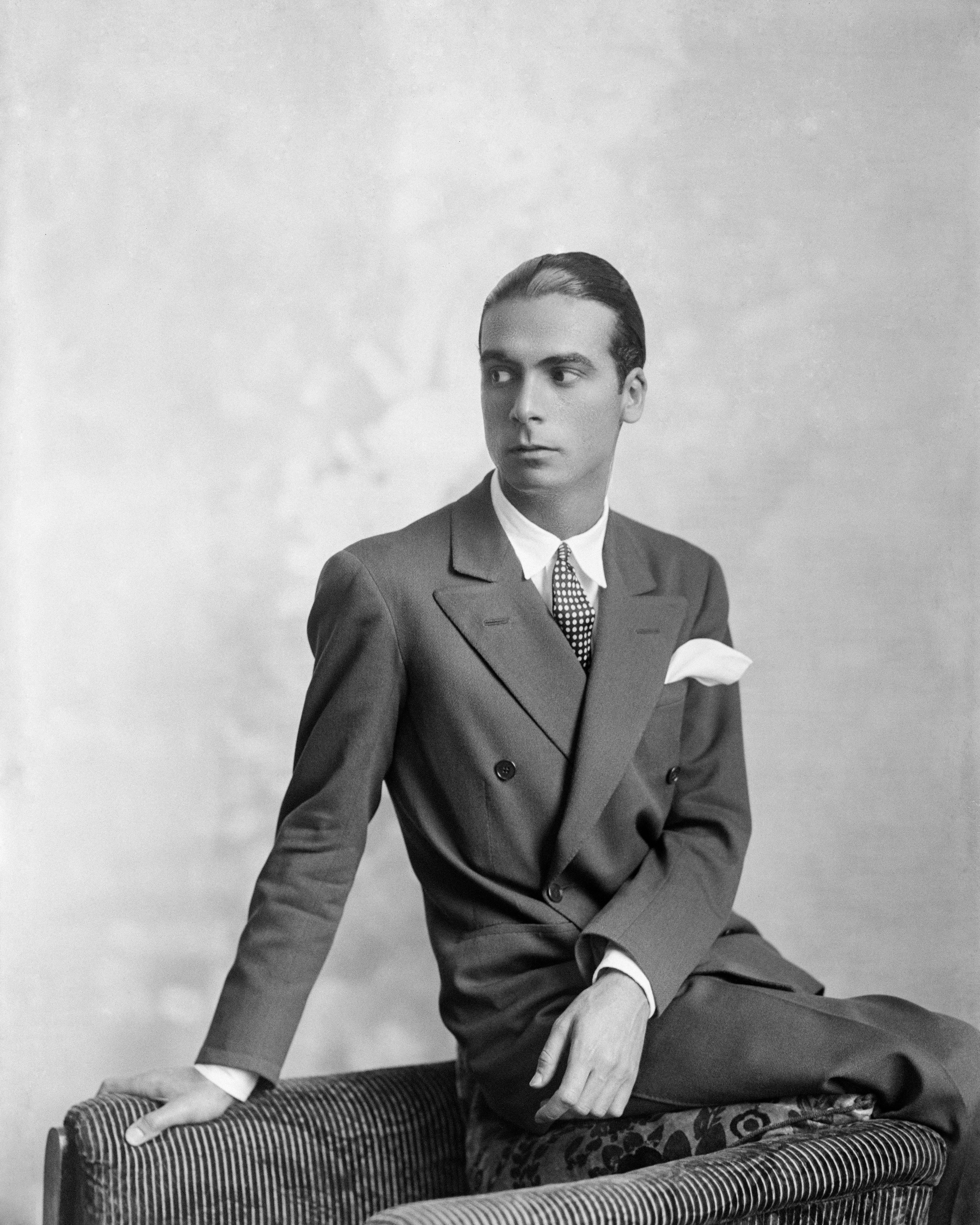
Cristóbal Balenciagaspent his most influential years in Paris, earning the title "the master’s master" for his unmatched technical precision.
Balenciaga’s designs were architectural, using innovative cutting and construction to let fabric shape garments without corsetry. His balloon jackets, sack dresses, and baby doll silhouettes challenged traditional ideas of fit and proportion.
Unlike Dior’s romantic femininity or Chanel’s comfortable chic, his work emphasized pure form, often appreciated more by designers than the general public. His technical innovations in pattern-making and construction continue to influence fashion education today, even after he closed his house in 1968.
11. Jacques Fath (1912-1954)
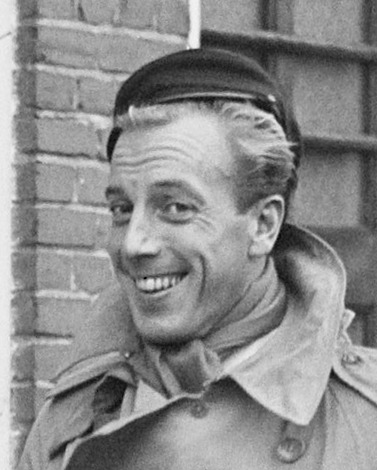
Jacques Fath worked alongside Dior and Balmain in defining post-war French fashion, though his early death at 42 cut his influence short. Opening his couture house in 1937, Fath became known for defining the "Parisienne chic" aesthetic, sophisticated yet playful, sexy yet refined.
Fath's most important contribution was mentorship. Hubert de Givenchy trained in his atelier, absorbing Fath's approach to dramatic yet wearable elegance. Fath understood fashion as entertainment, creating theatrical runway shows and cultivating celebrity clientele.
His death in 1954 ended his house's golden era, but his influence lived on through the designers he trained, demonstrating how fashion's oral tradition of atelier apprenticeship preserved and transmitted knowledge across generations.
12. Robert Piguet (1898-1953)
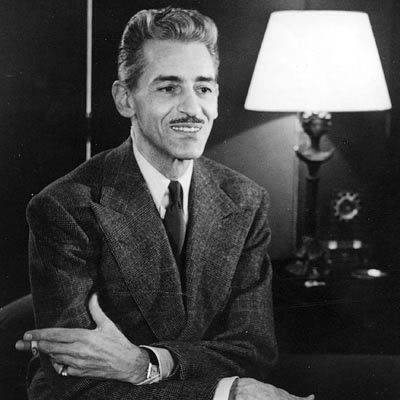
Swiss-born Robert Piguet established his Paris couture house in 1933 and became one of fashion's most influential teachers, though his own designs are less remembered today. His atelier trained both Christian Dior and Hubert de Givenchy before either launched their legendary houses.
Piguet's designs emphasized refined simplicity and perfect tailoring principles, both Dior and Givenchy absorbed and reinterpreted. His fragrance "Bandit" (1944) achieved commercial success, demonstrating how perfume licensing could sustain a fashion house.
13. Lucien Lelong (1889-1958)
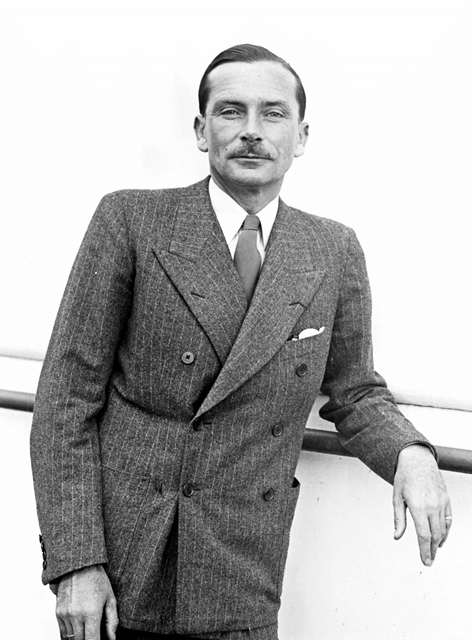
Born into a fashion family, Lucien Lelong inherited his parents' dressmaking business and transformed it into a major couture house during the 1920s-1940s. His most significant contribution was employing both Pierre Balmain and Christian Dior in his atelier during World War II.
Lelong's wartime role as president of the Chambre Syndicale de la Haute Couture proved crucial he negotiated with Nazi occupiers to keep French fashion houses in Paris rather than relocating to Berlin, preserving Paris's fashion infrastructure for the post-war renaissance.
14. Nina Ricci (1883-1970)
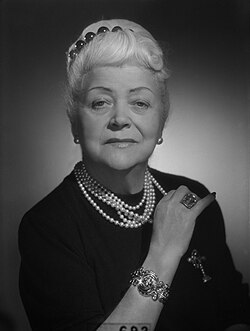
Born Maria Nielli in Italy, Nina Riccimoved to France and worked at the House of Raffin for over 20 years before opening her own couture house in 1932 at age 49 an unusually late start that proved age posed no barrier to success.
Ricci specialized in romantic, feminine designs with intricate details, lace, and soft colors that appealed to clients seeking delicate elegance rather than dramatic statements. Her son Robert managed the business side, allowing Nina to focus purely on design.
The house expanded into fragrances, with "L'Air du Temps" (1948) becoming one of perfumery's classics, recognizable by its dove-topped bottle. Ricci proved that commercial success didn't require avant-garde rebellion; mastering a specific aesthetic and executing it flawlessly could build an enduring luxury brand.
15. Hubert De Givenchy (1927-2018)
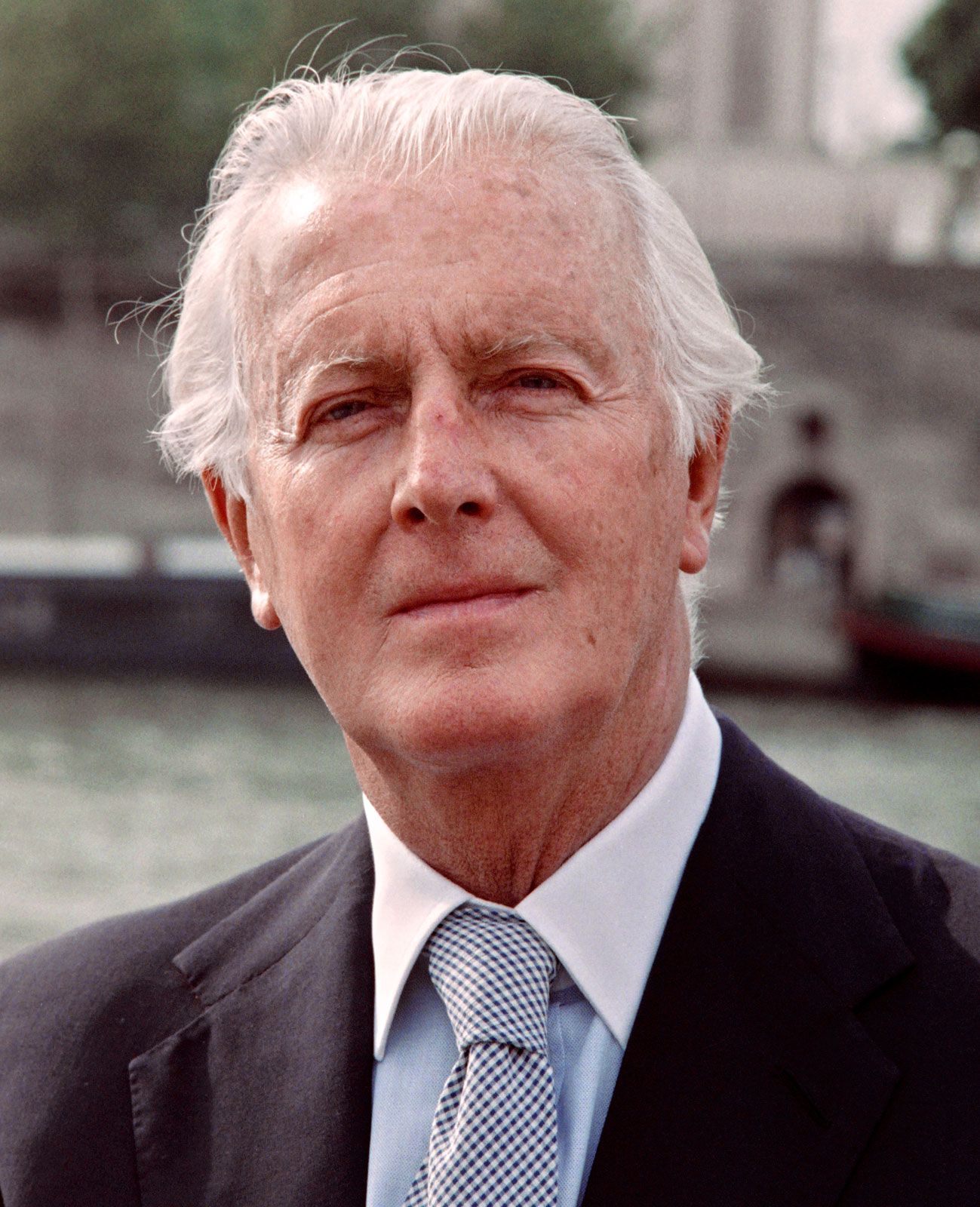
Hubert de Givenchy opened his couture house in 1951 at age 24, after training under Jacques Fath and Robert Piguet. His first collection featured the "Bettina blouse," a white cotton shirt with dramatic sleeves that blended casualness with sophistication.
Givenchy’s defining partnership with Audrey Hepburn began in 1953, dressing her for films like Sabrina, Funny Face, and Breakfast at Tiffany's. He also designed for Jacqueline Kennedy and Grace Kelly, establishing a reputation for elegant, refined fashion.
Launching Gentleman Givenchy in 1969, he pioneered luxury menswear, and his clean lines, quality fabrics, and impeccable tailoring made his designs timeless. He retired in 1995, leaving a legacy of enduring elegance.
16. Yves Saint Laurent (1936-2008)
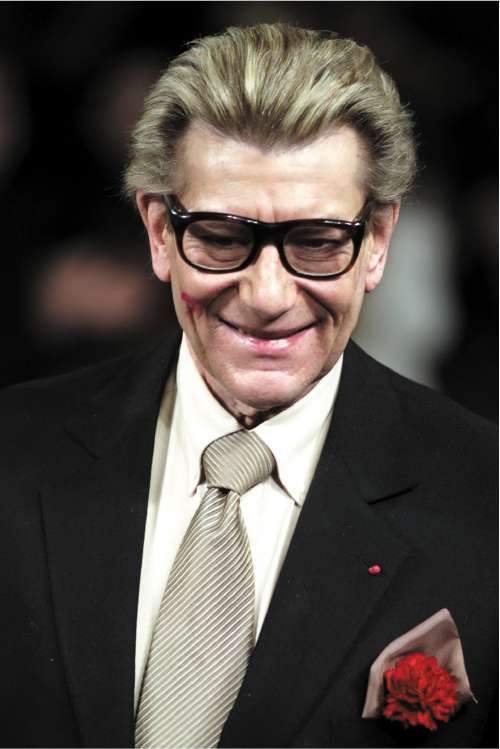
Yves Saint Laurent moved from Algeria to Paris at 18 to work for Christian Dior. When Dior died in 1957, the 21-year-old Saint Laurent became creative director, debuting his influential "Trapeze" collection.
In 1961, he launched his own label with Pierre Bergé. Saint Laurent revolutionized fashion with Le Smoking (1966), the first women's tuxedo suit, pioneering gender-fluid elegance.
He also democratized luxury with his Rive Gauche ready-to-wear boutique and drew inspiration from global cultures while maintaining Parisian sophistication. Balancing artistic vision with commercial success, his work remains a defining force in modern fashion.
17. Pierre Cardin (1922-2020)
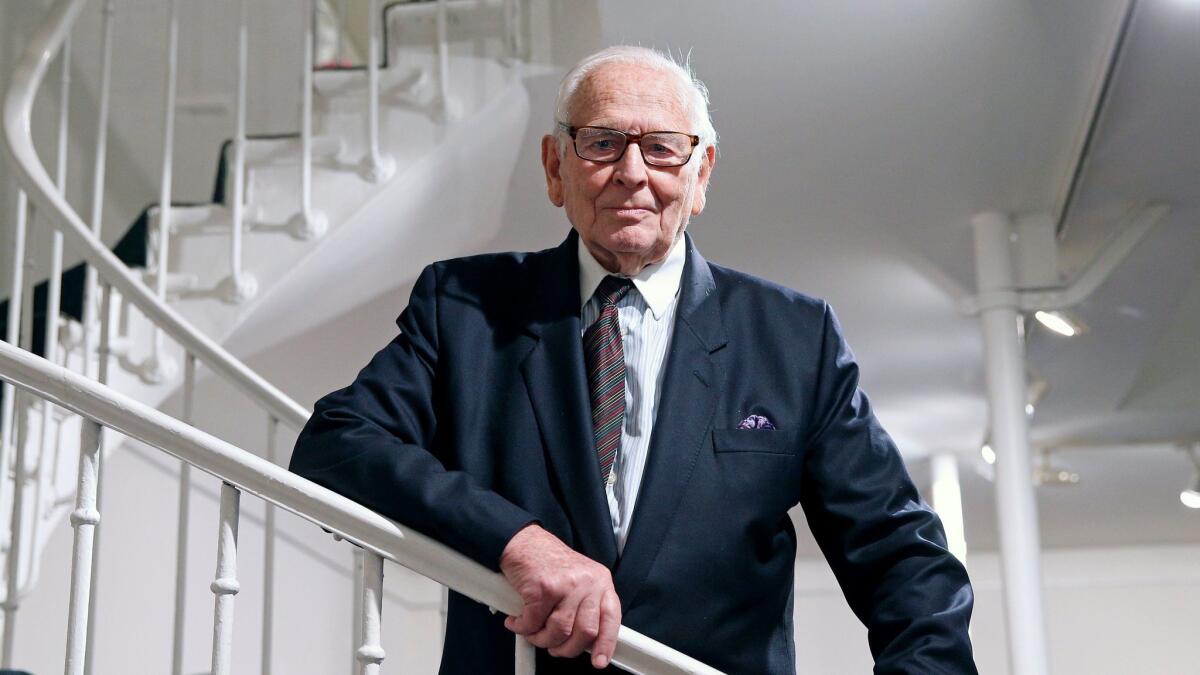
Pierre Cardin, originally from Italy, moved to Paris in 1945 and worked with Schiaparelli and Dior before founding his own couture house in 1950. By the 1960s, he became famous for avant-garde, futuristic designs featuring geometric forms, unisex styles, and innovative materials.
His 1963-64 collections included plastic elements, helmets, and goggles, redefining fashion as imaginative and forward-looking. Cardin also pioneered high-fashion menswear and became the first designer to extensively license his name across products like furniture and automobiles.
While some criticized this approach, it cemented his global influence and set a precedent for combining creativity with commercial strategy.
18. André Courrèges (1923-2016)
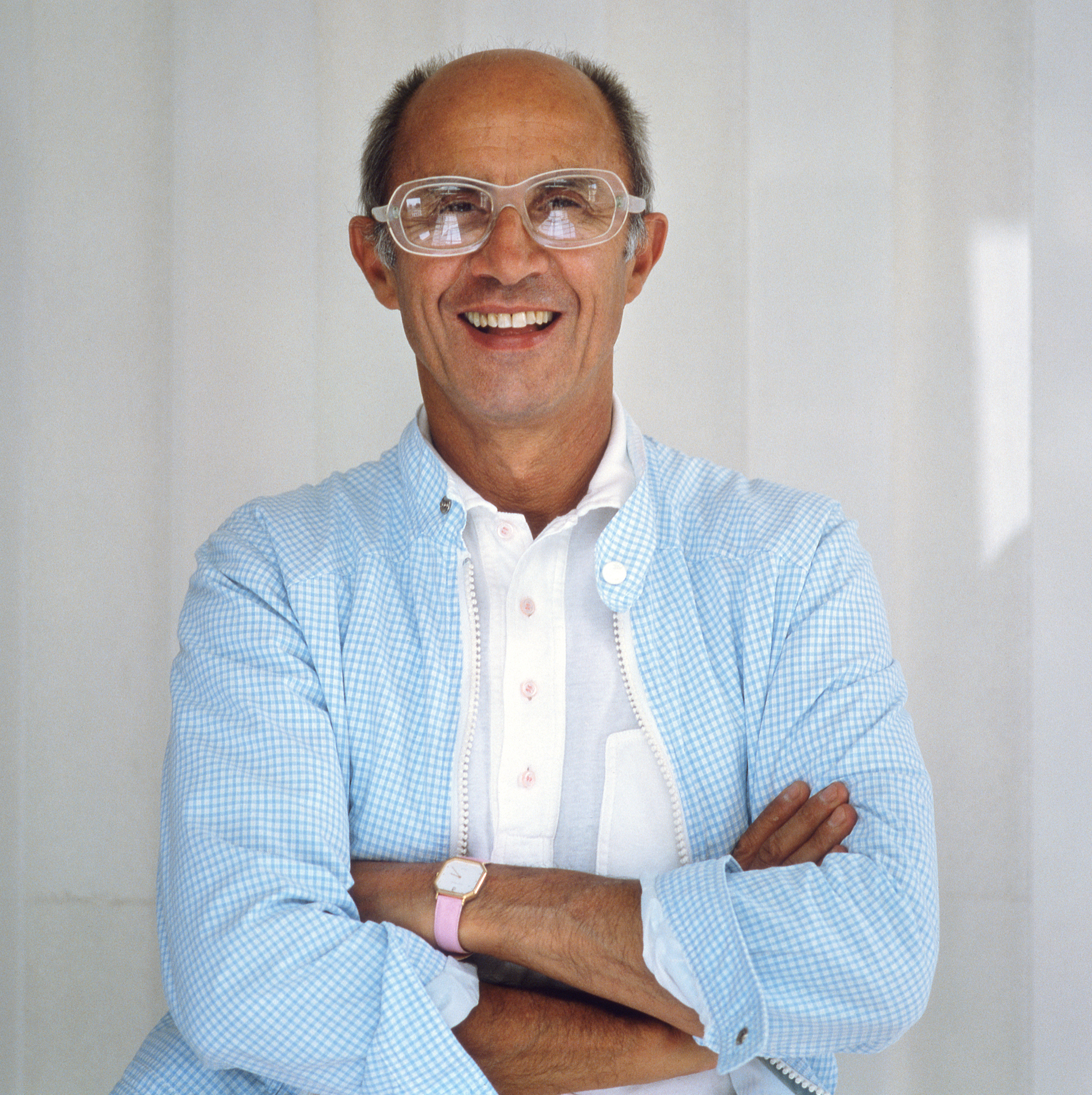
André Courrèges trained under Cristóbal Balenciaga for ten years before opening his own fashion house in 1961. His Space Age designs echoed futurism but stood apart through clean lines, white palettes, metallic accents, and architectural precision.
Courrèges’ 1964 “Moon Girl” collection popularized mini-skirts, go-go boots, and women’s trouser suits, reflecting his belief in a modern, technology-driven future. Unlike Pierre Cardin’s more theatrical vision, Courrèges focused on expert construction and wearability, creating futuristic clothing designed for active, contemporary women a balance that continues to influence modern sportswear.
19. Thierry Hermès (1801-1878)
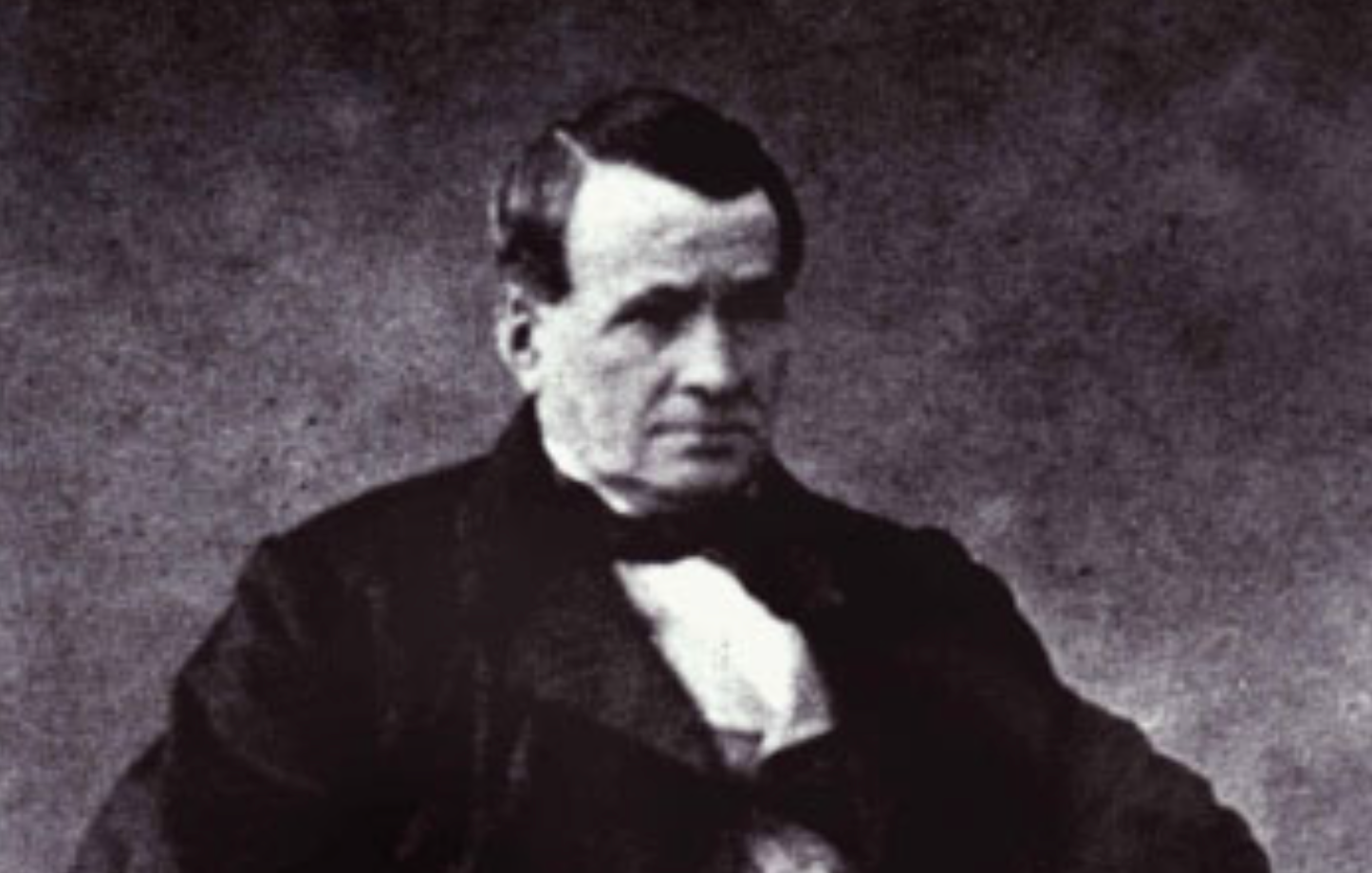
Thierry Hermès founded his company in 1837 as a harness and bridle workshop serving Europe’s carriage trade, building a reputation for exceptional leather craftsmanship. As transportation evolved, Hermès shifted into luxury leather goods and accessories, remaining family-owned across generations.
Iconic designs like the Birkin and Kelly bags reflect the house’s client-driven philosophy. Created through personal exchanges with Jane Birkin and Grace Kelly, these bags became global symbols of luxury. Hermès stands apart through consistency, heritage, and an unwavering commitment to craftsmanship over trends.
20. Guy Laroche (1921-1989)
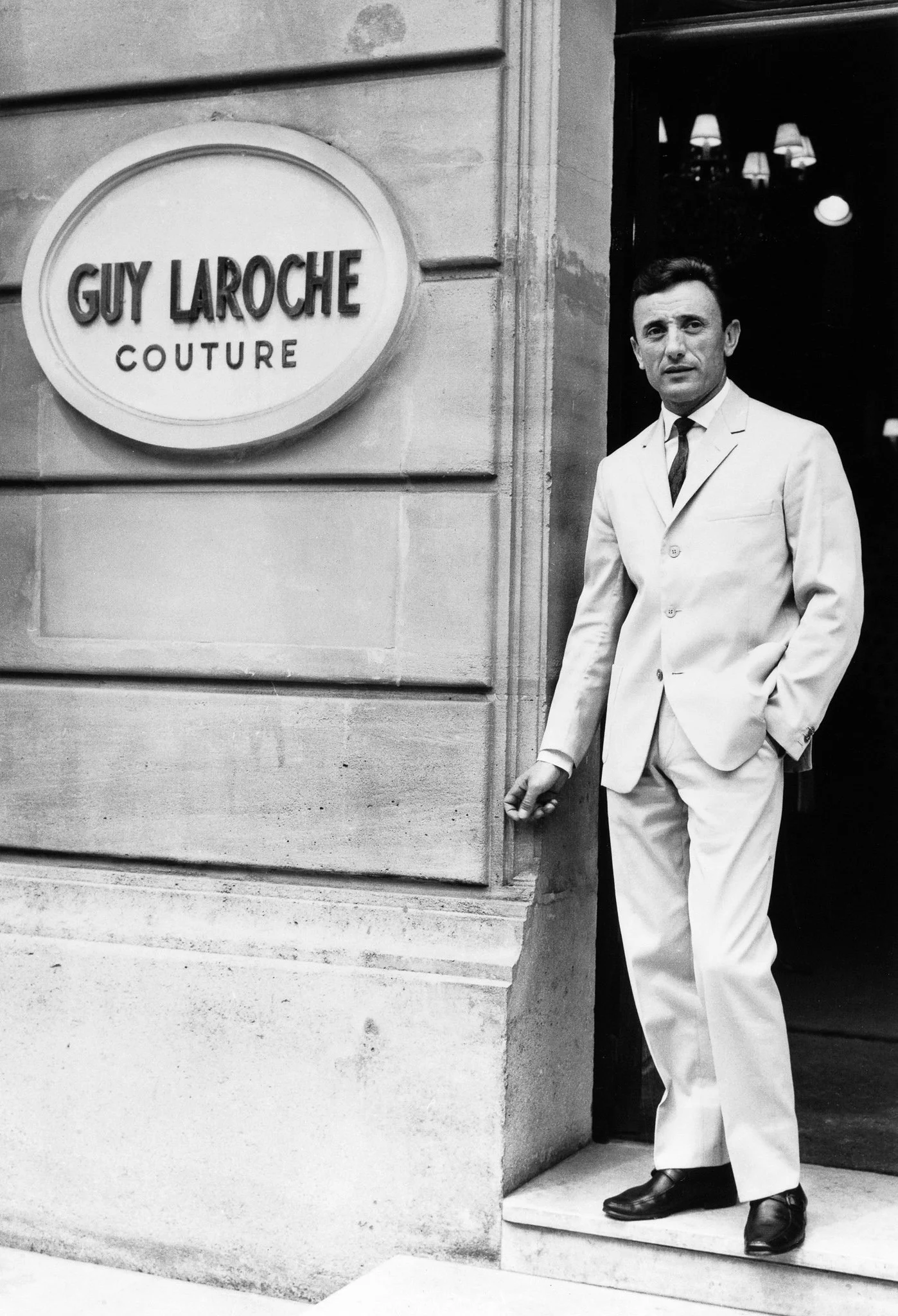
Guy Laroche began his career in millinery before apprenticing with Jean Dessès (covered below), opening his own house in 1957. His designs emphasized elegant simplicity without avant-garde experimentation, dressing women who wanted sophistication without drama.
Laroche understood international markets, particularly America, where his ready-to-wear lines achieved strong commercial success. He expanded into fragrances with "Fidji" (1966) and "Drakkar Noir" (1982), demonstrating the commercial power of licensed products.
While less revolutionary than contemporaries like YSL, Laroche proved that mastering classic elegance and business acumen could sustain a luxury house as effectively as constant innovation.
21. Paco Rabanne (1934-2023)
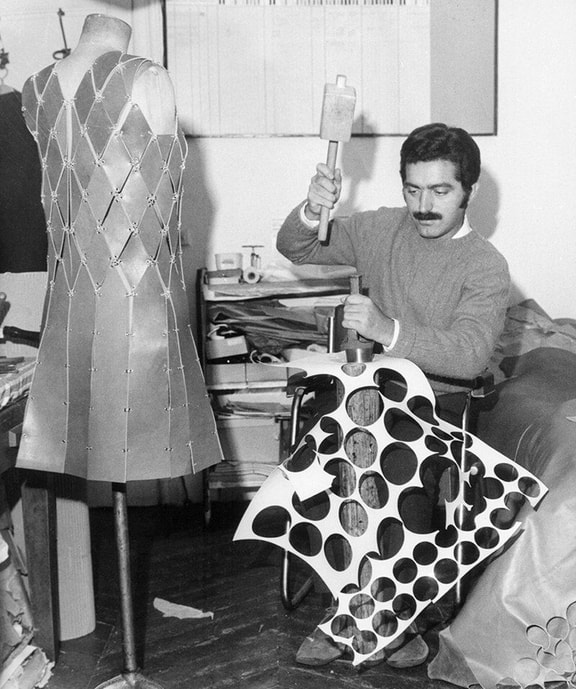
Paco Rabanne, born Francisco Rabaneda Cuervo in Spain, moved to France as a child and trained in architecture before launching his fashion career in 1966. He became famous for rejecting traditional fabrics, creating garments from metal, plastic, and chainmail.
His radical designs challenged the very definition of clothing and strongly influenced science fiction and theatrical costume design. Alongside his avant-garde fashion, Rabanne built a hugely successful fragrance empire with scents like 1 Million and Lady Million, proving that experimental creativity and commercial success could coexist.
22. Jean Dessès (1904-1970)
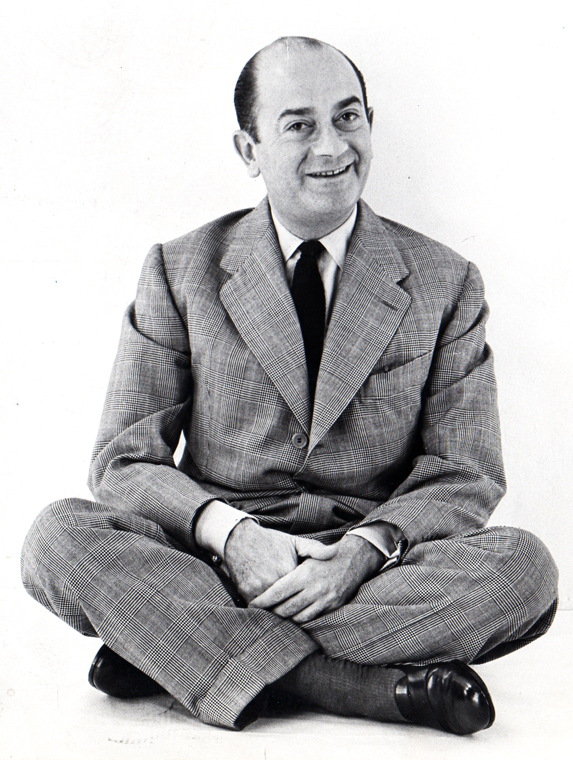
Born in Egypt to Greek parents, Jean Dessès trained in Paris and opened his couture house in 1937. His specialty was Greek and Egyptian-inspired draping, flowing gowns that referenced ancient aesthetics through modern techniques.
During the 1940s-1960s, Dessès dressed Hollywood royalty and European aristocracy, creating dramatic evening wear that photographed beautifully and moved elegantly. His technical skill with draping and pleating influenced students including Guy Laroche.
Dessès represents designers whose work achieved tremendous success during their era but faded from popular memory due to not establishing enduring commercial brands beyond their personal involvement. His technical contributions to draping and construction, however, influenced subsequent generations of designers.
23. Sonia Rykiel (1930-2016)
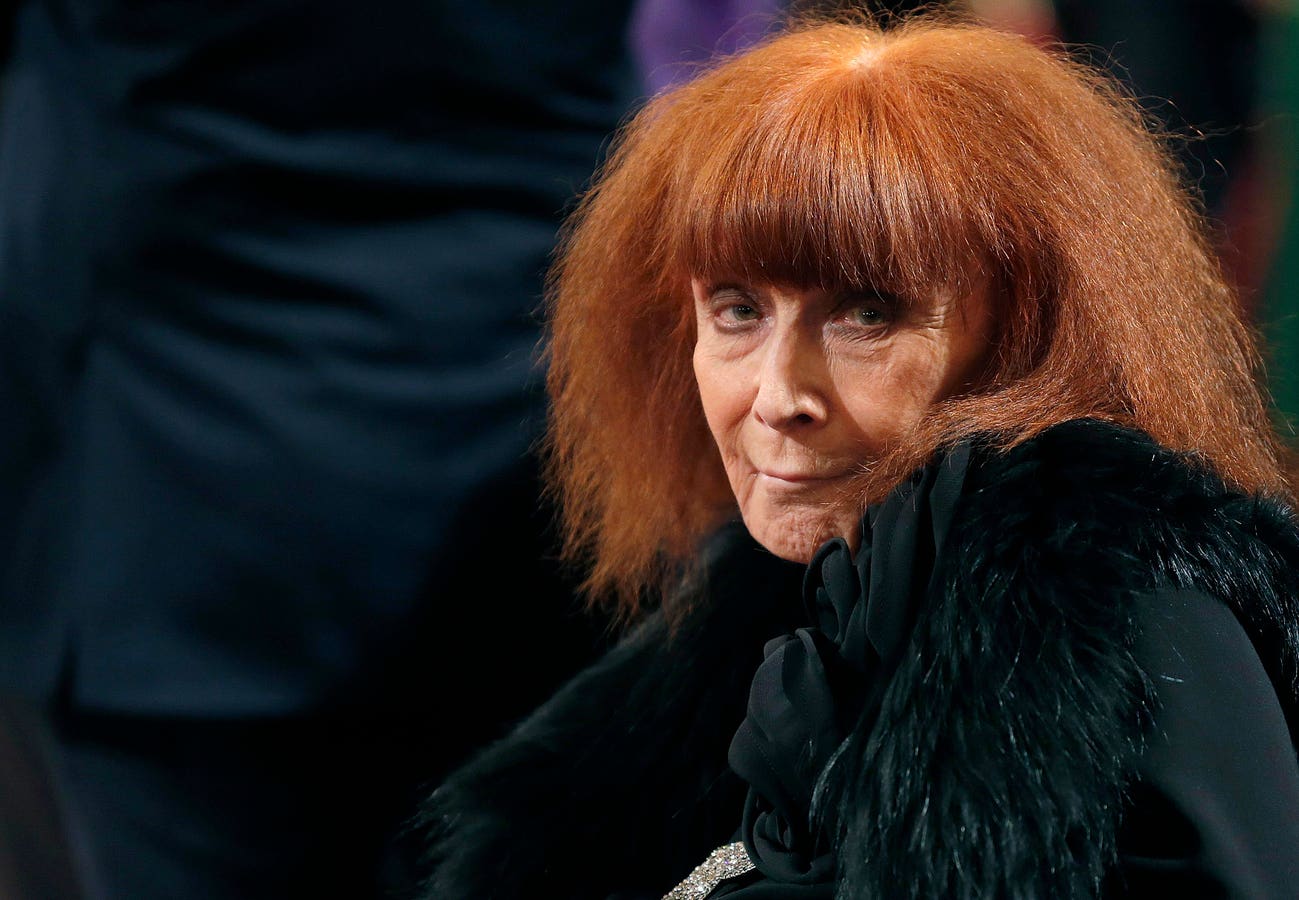
Sonia Rykiel, known as the “Queen of Knits,” transformed knitwear from casual basics into high fashion when she launched her label in 1968. She became famous for fitted, striped sweaters worn inside-out, with exposed seams and unfinished edges that felt modern and rebellious.
Rykiel challenged the idea that knitwear was informal, proving that softness, movement, and elegance could coexist. Her use of visible seams as decorative elements influenced later designers to treat construction itself as design.
Expanding into accessories and fragrances, the Rykiel brand embodied intelligent comfort, confidence, and effortless Parisian chic.
24. Jean-Paul Gaultier (1952-present)
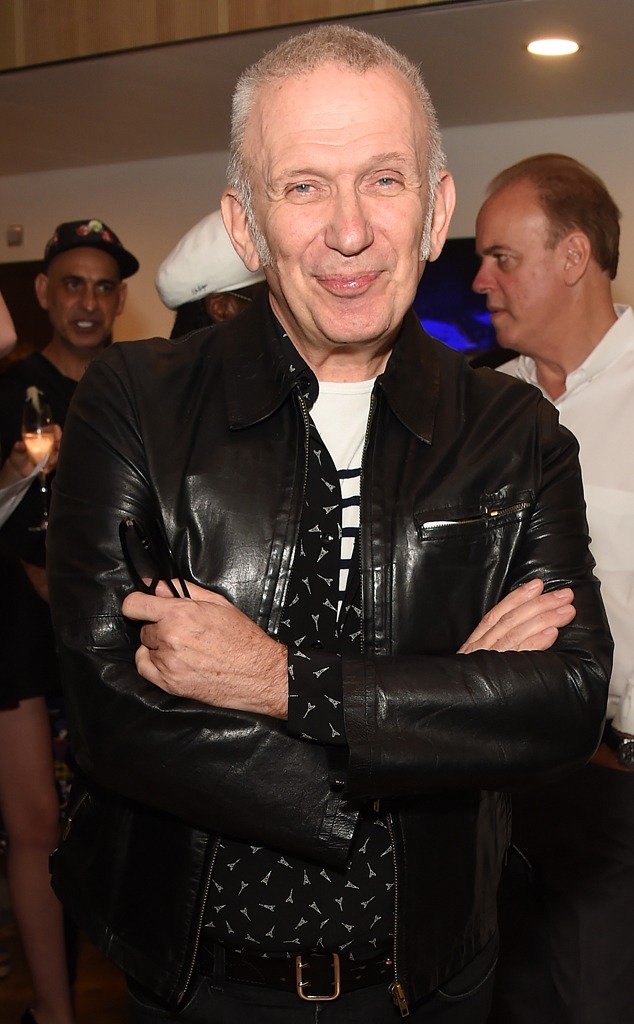
Jean-Paul Gaultier never attended fashion school. Raised in suburban Paris, he apprenticed under Pierre Cardin before launching his own label in 1982, bringing an outsider, working-class perspective to haute couture.
Known as l’enfant terrible, Gaultier challenged fashion’s norms through provocative designs and inclusive casting, featuring older models, diverse body types, and drag performers long before diversity became mainstream. His most iconic creation, the cone bra corset worn by Madonna during her 1990 Blond Ambition tour, turned lingerie into cultural commentary.
Gaultier also pushed gender boundaries with men’s skirts in the 1980s and later proved his versatility as creative director of Hermès from 2003 to 2010. Though he retired from haute couture in 2020, his influence on inclusivity, gender expression, and creative freedom remains foundational.
25. Thierry Mugler (1948-2022)
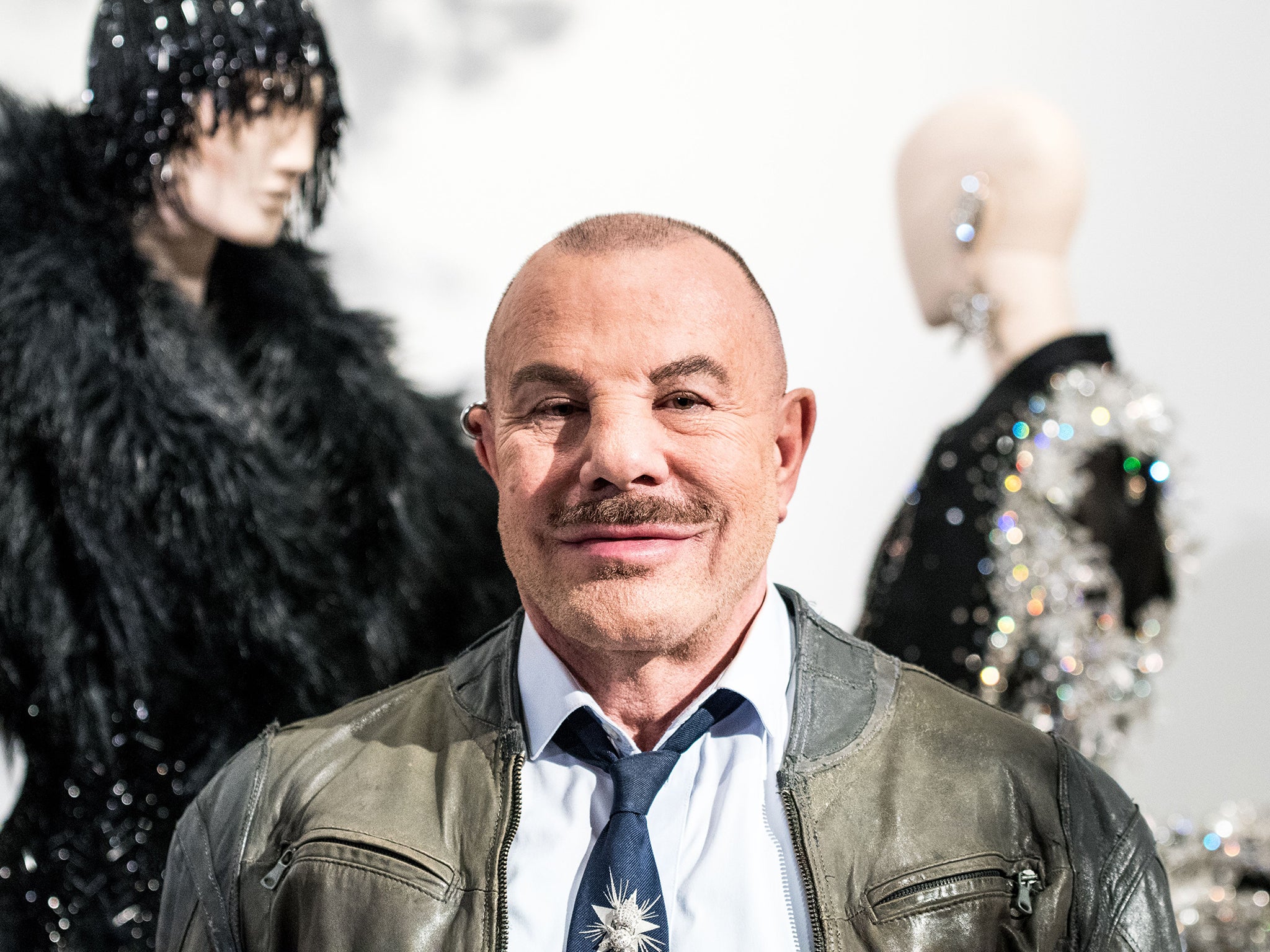
Thierry Mugler saw fashion as drama. He designed bold clothes with wide shoulders, tight waists, and strong shapes inspired by superheroes and futuristic characters. His designs made women look powerful rather than delicate.
His fashion shows were big performances with sets, music, and movement, made to leave a strong visual impression. Mugler also supported diversity early on, using drag queens and transgender models when this was still rare in fashion.
His Angel perfume, released in 1992, became a huge success and helped fund his creative work. Although he stepped away from fashion in the early 2000s, Mugler’s influence on bold, theatrical design is still strong today.
26. Christian Lacroix (1951-present)
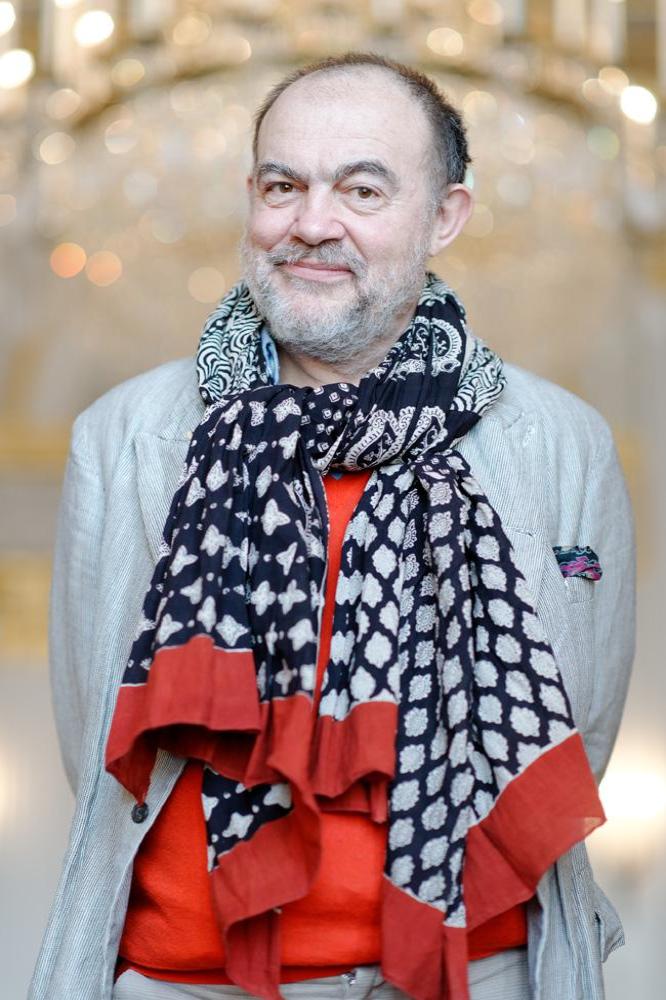
Christian Lacroix opened his couture house in 1987 with LVMH, standing out as fashion’s maximalist during a minimalist era. He loved bold colors, dramatic flair, and historical references, creating clothes full of joy, storytelling, and imagination.
His designs mixed eras, 18th-century bustles with 1950s skirts, Renaissance embroidery with modern shapes, making garments look both vintage and fresh. Famous clients included royalty and celebrities who wanted statement pieces that felt like wearable art.
Lacroix saw fashion as fantasy: his clients wore art that made them feel special and theatrical. Though his house closed in 2009, he continues designing costumes for theater, opera, and high-profile events, keeping his dramatic vision alive.
27. Azzedine Alaïa (1935-2017)
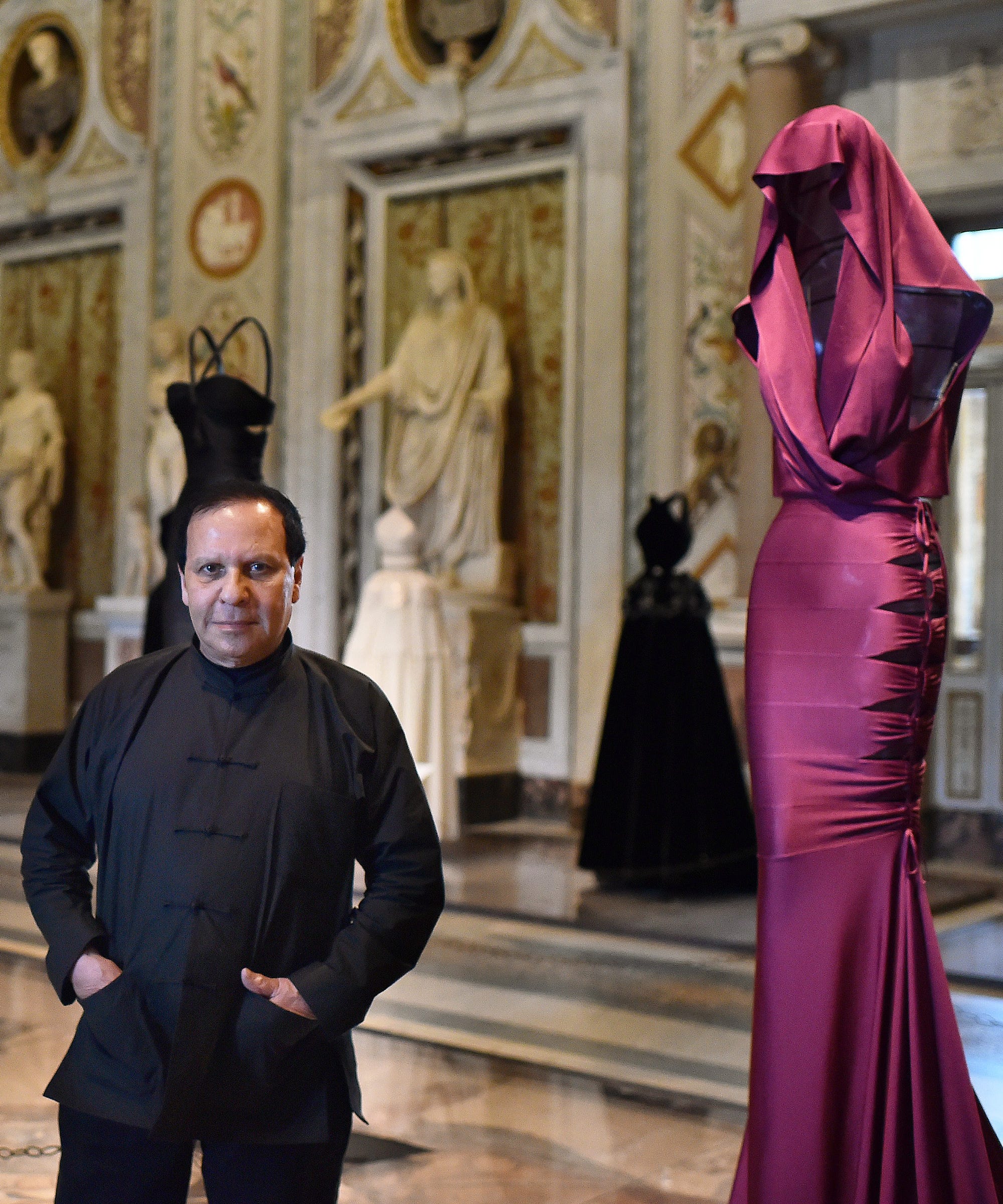
Tunisian-born Azzedine Alaïa moved to Paris in 1957, gaining experience in couture houses before starting his own label in the 1970s. Unlike other designers, he concentrated on precise fit and expert construction.
Known as the "King of Cling," Alaïa designed figure-hugging garments that highlighted the female body gracefully. His work was highly sculptural, requiring careful pattern-making and multiple fittings.
He ignored fashion seasons, releasing collections only when complete, as he fully owned his brand. Supermodels like Naomi Campbell and Stephanie Seymour admired him, walking his rare shows out of respect. Alaïa demonstrated that fashion could be bold, elegant, and flattering without compromising sophistication.
28. Isabel Marant (1967-present)
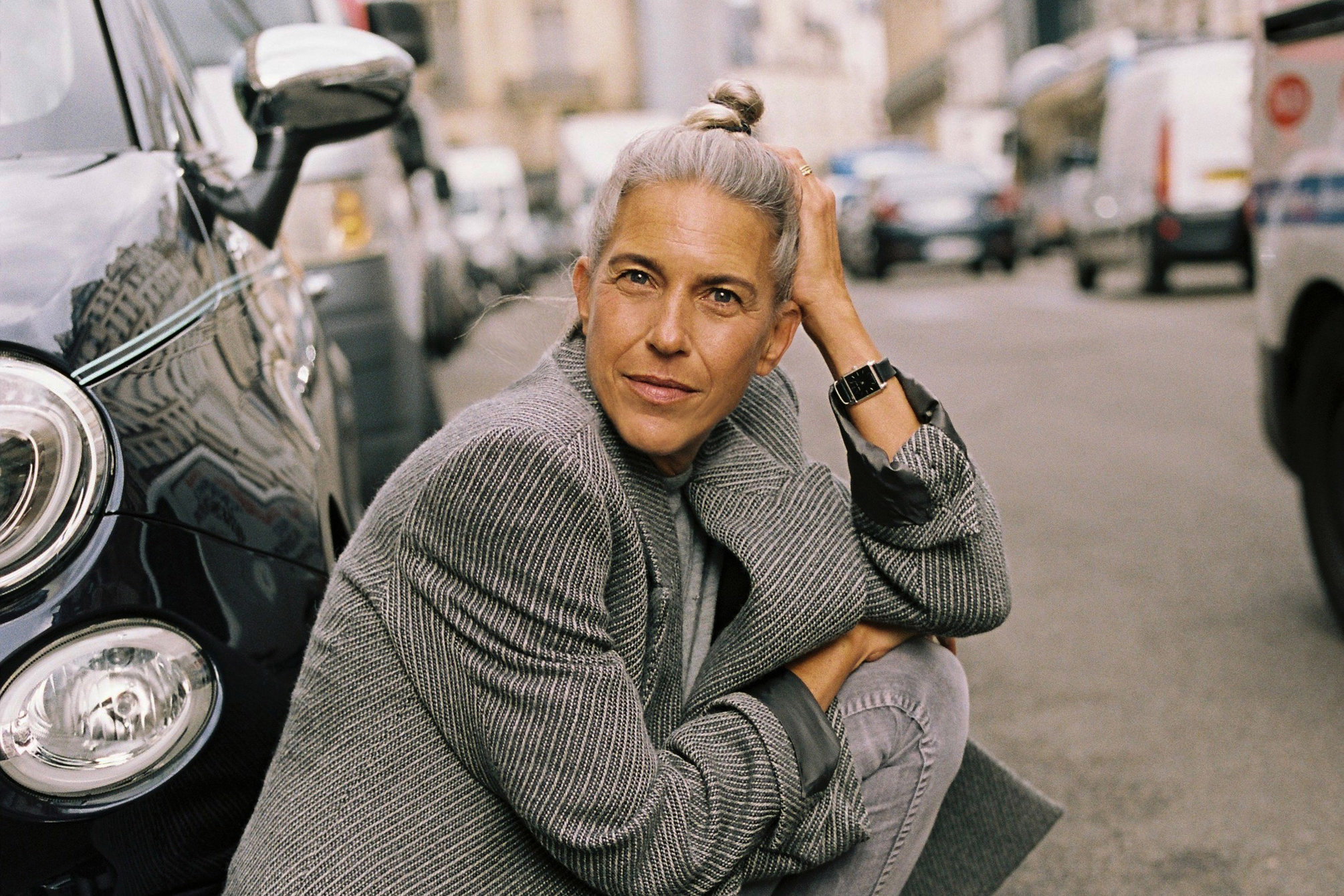
Isabel Marant started her fashion house in 1994, creating a bohemian Parisian style. She mixes global influences like Moroccan embroidery, Mexican fabrics, and Western boots with simple French tailoring. Her clothes are for women who travel, explore, and make their own style.
Marant moved fashion away from the stiff 1980s looks to clothes that are stylish, comfortable, and wearable. By focusing on ready-to-wear, she made high-quality fashion available to more people. Her designs inspired the “French girl” look, effortless, relaxed, yet polished, and made it a lifestyle, not just a fashion trend.
29. Madeleine De Rauch (1896-1985)
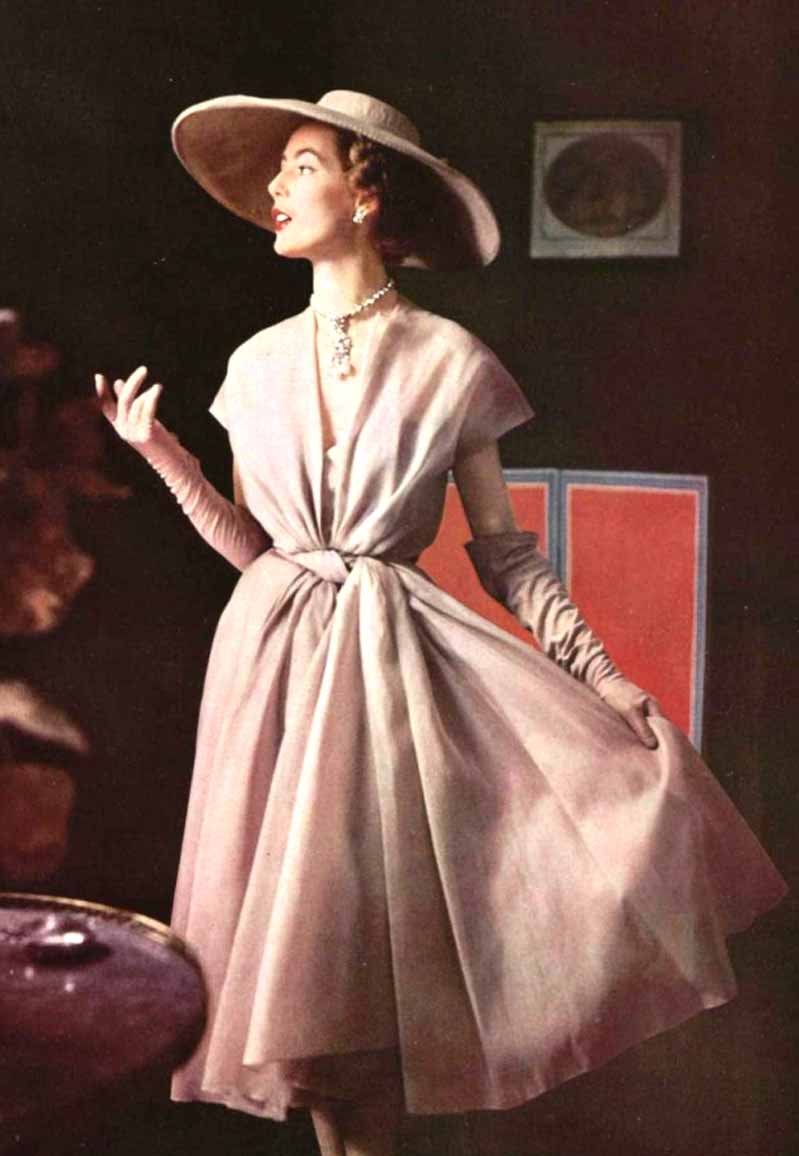
Madeleine de Rauch opened her Paris fashion house in 1932, specializing in sportswear and elegant, fluid designs that balanced sophistication with comfort. She understood that modern women needed clothing for active lifestyles, not just formal occasions.
De Rauch's innovations in sportswear construction influenced how designers approached casual elegance. Her house operated until 1974, serving a loyal clientele who valued quality and wearability over trend-chasing. While her name isn't widely recognized today, her approach to feminine sportswear anticipated contemporary athleisure's principles by decades.
30. Jacques Esterel (1917-1974)
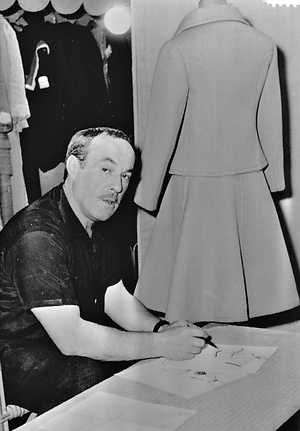
Jacques Esterel came to fashion from unusual backgrounds, training as both an engineer and songwriter before opening his Paris store in 1956. This diverse experience shaped his approach to design, combining technical precision with artistic flair.
His designs dressed Brigitte Bardot in the film La Parisienne, establishing his reputation for capturing Parisian spirit, that specific combination of elegance, sexuality, and insouciance that defines French style. Though his house closed after his death, Esterel's work during the 1950s-70s contributed to defining post-war French fashion's commercial success.
31. Louis Féraud (1921-1999)
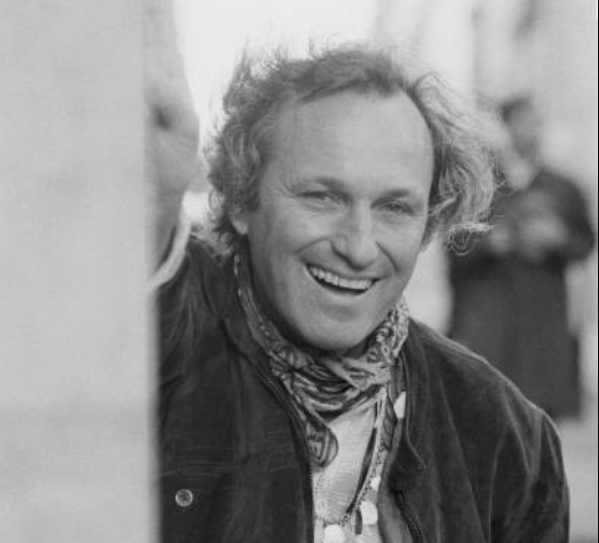
Louis Féraud opened his Paris couture house in 1955, creating designs for Parisian elite and film costumes that balanced theatrical drama with wearability. His aesthetic emphasized bold colors and confident femininity.
Féraud's most important legacy was mentoring Jean-Louis Scherrer, demonstrating fashion's oral tradition of knowledge transfer through atelier apprenticeship. While Féraud's own designs are less remembered today, his role in training the next generation reveals how fashion knowledge persists across generations.
32. Marcel Rochas (1902-1955)
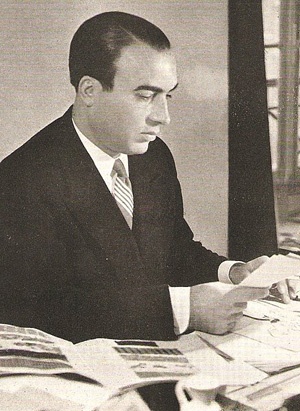
Marcel Rochas started his fashion house in 1925, making elegant, feminine clothes with hourglass shapes and romantic details. His designs from the 1920s to 1950s were popular with wealthy clients who wanted classic glamour.
Rochas is best remembered today for his perfume, especially "Femme" (1944), which is still sold. His success showed that fragrances can keep a designer’s name alive even after their fashion house closes. Rochas inspired future designers to see perfume as an important part of their brand and business.
33. Jacques Heim (1899-1967)
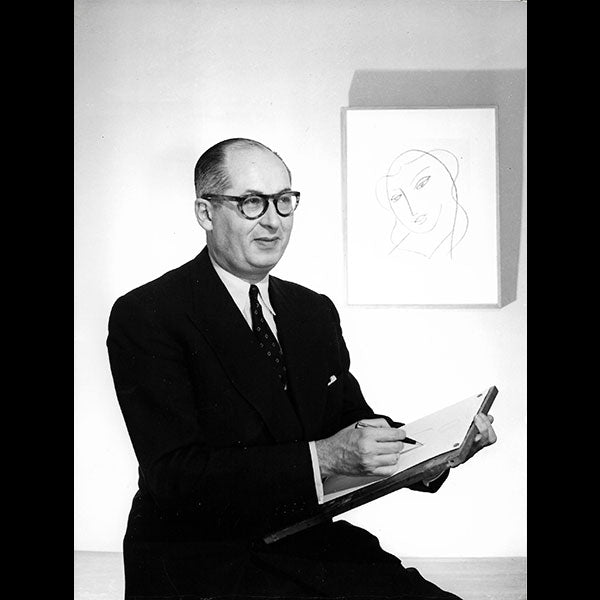
Jacques Heim ran his fashion house, Maison de Couture Jacques Heim, from 1930 to 1969. He designed both clothing and costumes for theater and film, giving his fashion a dramatic, theatrical touch while keeping it wearable for everyday clients.
Heim also led the Chambre Syndicale de la Haute Couture as president from 1958 to 1962. In this role, he helped set rules and standards to protect haute couture during a time when ready-to-wear fashion was becoming more popular.
34. Marie-Louise Carven (1909-2015)
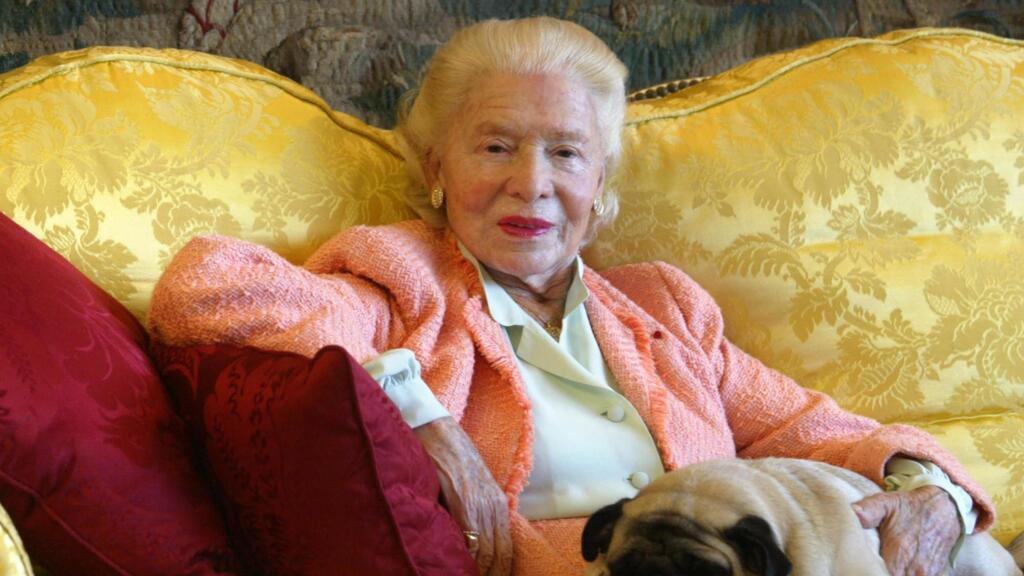
Marie-Louise Carven started the House of Carven in 1945, focusing on clothing for petite women, an often overlooked group when fashion favored tall, slim figures. Being under five feet tall herself, Carven knew the difficulty of finding clothes that fit properly.
She also helped make ready-to-wear fashion more popular, showing that French style could be accessible beyond exclusive couture. By designing for a specific group, Carven built a successful brand that lasted for decades, earning a loyal following of women who appreciated her attention to fit and proportion.
35. Karl Lagerfeld (1933-2019)
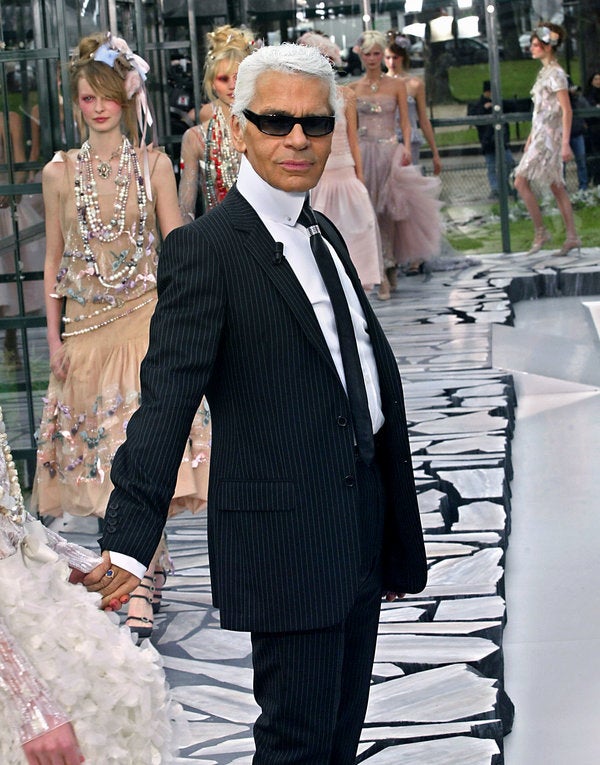
Although German, Karl Lagerfeld became a key figure in French fashion during his 36 years as Chanel’s creative director (1983-2019). When he joined, Chanel was losing its edge, and he revitalized the brand while keeping Coco Chanel’s classic style of simple elegance.
Lagerfeld saw fashion as always changing. He updated Chanel’s signature tweed suits, quilted bags, and costume jewelry for modern tastes, keeping the brand relevant for new generations. At the same time, he created very different designs for Fendi, showing his versatility.
He also became famous for his personal style, white ponytail, dark glasses, and fingerless gloves, and for his work as a photographer, shooting campaigns for his own collections. Lagerfeld’s death in 2019 marked the end of an era, but his way of combining creativity with business still influences how designers manage brands today.
36. Christian Louboutin (1963-present)
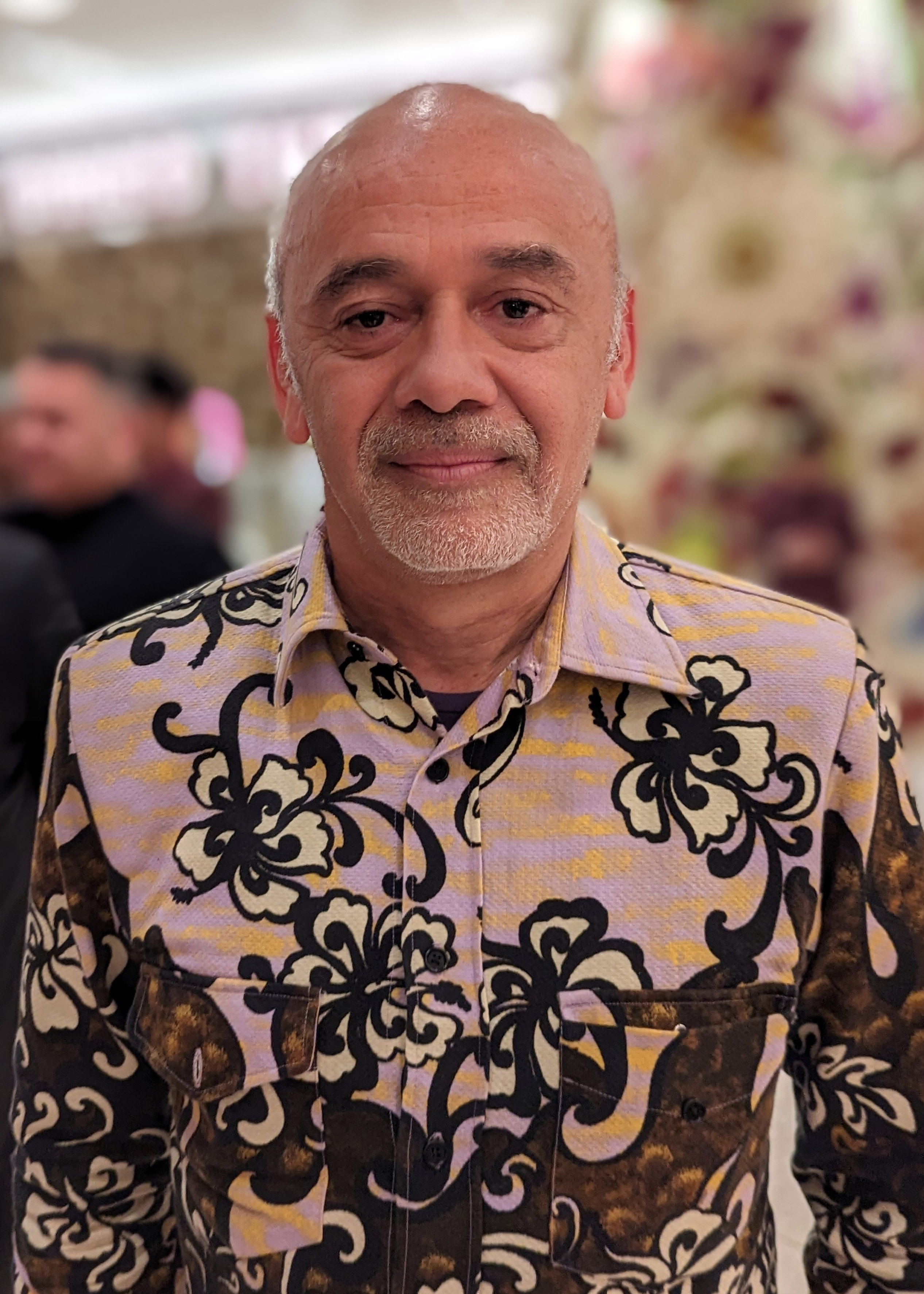
Christian Louboutin changed luxury shoes with one bold idea: red-lacquered soles. After training with Roger Vivier and working for other fashion houses, he opened his Paris boutique in the early 1990s.
The red sole, inspired by an assistant painting her nails, became an instantly recognizable signature. It turned his shoes into status symbols and a branding triumph, so iconic that Louboutin has defended it in multiple legal battles.
Louboutin is best known for stilettos that lengthen the legs, often with dramatic details. Celebrities wear them on red carpets worldwide, giving the brand constant media attention. While the company later expanded into handbags, beauty, and menswear, shoes remain the heart of Louboutin’s global luxury empire.
37. Nicolas Ghesquière (1971-present)
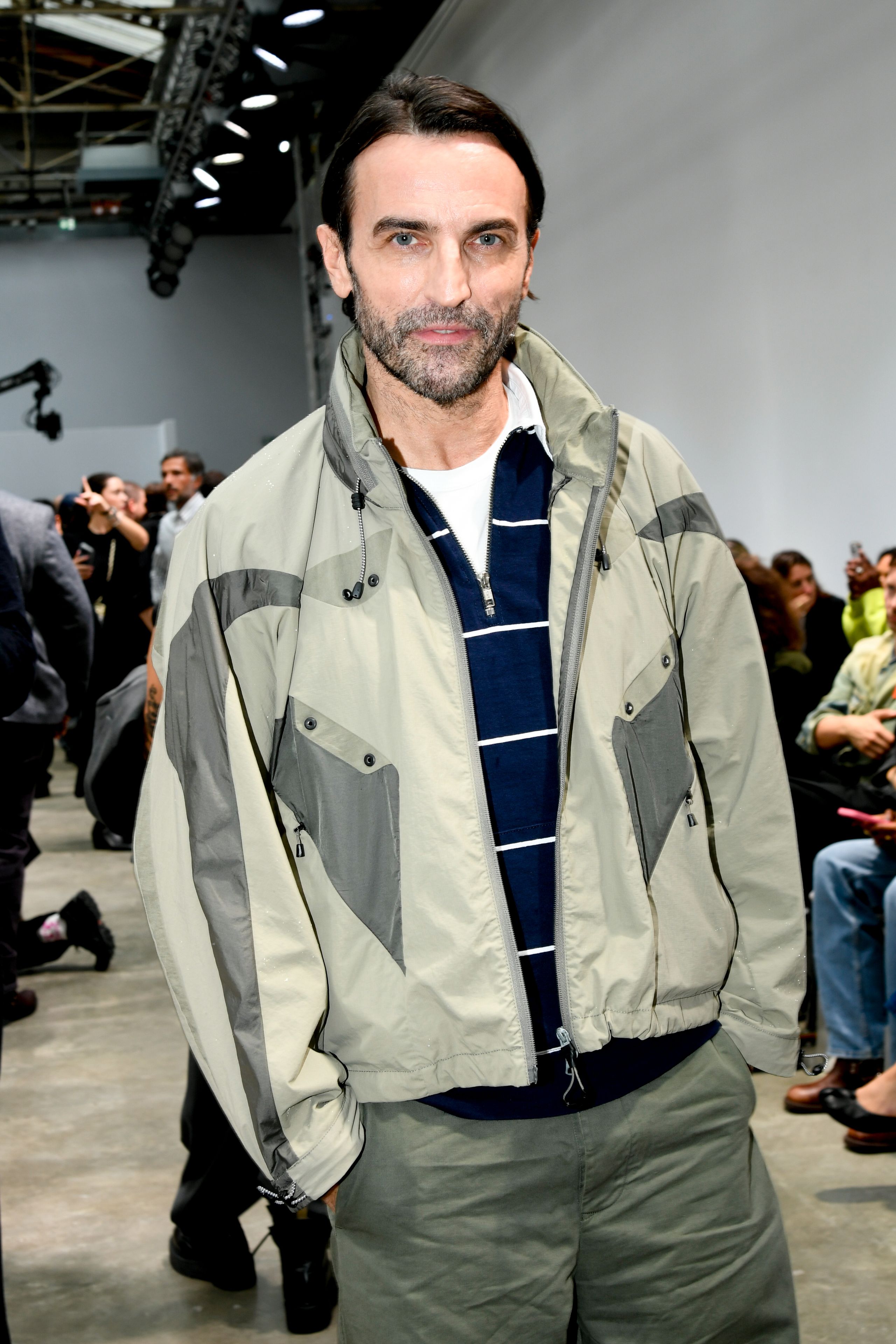
Nicolas Ghesquière revived Balenciaga in the early 2000s, updating the brand’s architectural style with modern ideas. His designs mix futuristic touches with historical details, creating clothing that is both innovative and wearable.
In 2013, he became creative director at Louis Vuitton, where he continues to make collections blending sportswear and luxury craftsmanship. His work shows how fashion today combines style and practicality, reflecting real-life lifestyles.
Ghesquière’s 2017 show at the Louvre highlighted fashion as art, showing that creative vision and commercial success can go hand in hand.
38. Hedi Slimane (1968-present)
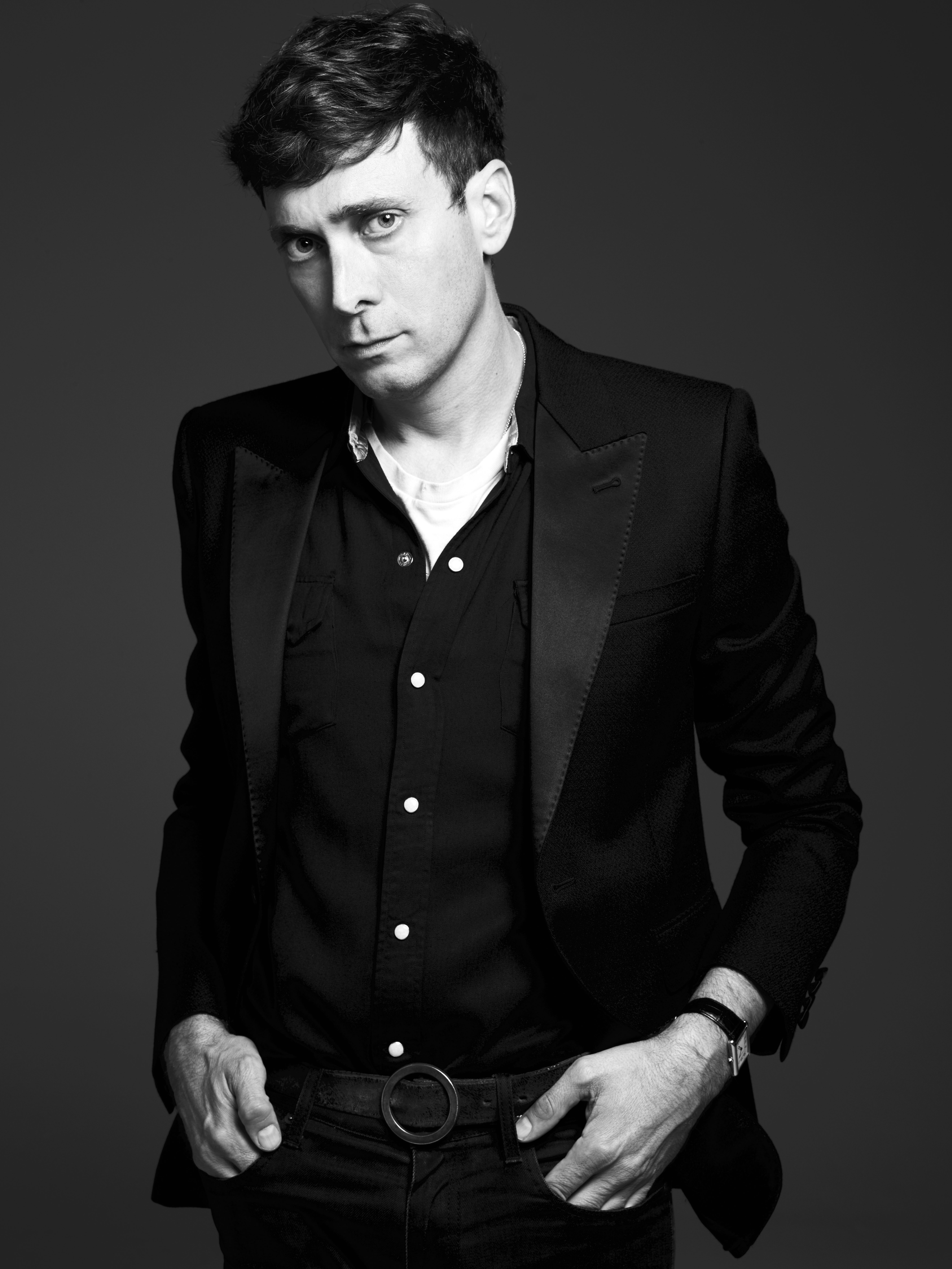
Hedi Slimane, born in Paris to Tunisian-Italian parents, changed men’s fashion while at Dior Homme (2000-2007), popularizing the slim suit, skinny jeans, and a rock-inspired look that shaped a generation.
At Saint Laurent (2012-2016), he brought the same style to womenswear, drawing on Los Angeles youth culture and music. His work was controversial, some said he ignored YSL’s heritage, while others praised his modern approach and success.
Now at Celine, Slimane has updated the brand’s minimalist style with a younger, more personal vision. His photography work also shapes his designs, making them striking in editorials and on social media.
39. Simon Porte Jacquemus (1990-present)
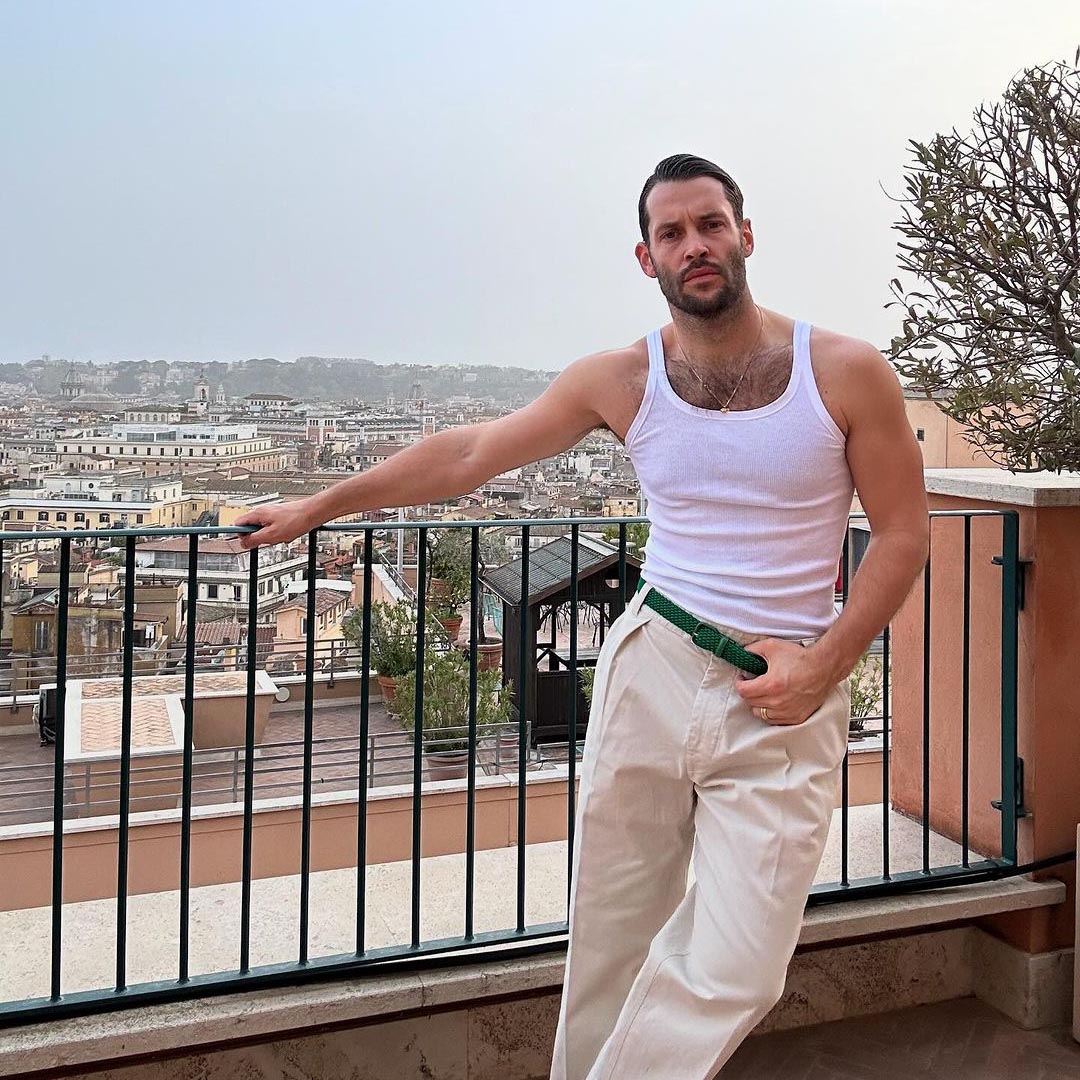
Simon Porte Jacquemus started his brand at just 20, quickly becoming one of today’s most popular young designers. His style mixes the colors and landscapes of southern France lavender fields and seaside villages with clean, modern shapes.
He became famous online with his tiny handbag, “Le Chiquito,” which barely fits a lipstick but went viral on Instagram, showing how social media can build a fashion brand. His runway shows in outdoor settings like lavender fields create striking images that get free media coverage.
Jacquemus combines creativity with smart business sense, designing products people want to share online. He shows how young designers today can grow global brands using digital platforms in ways past generations couldn’t.
40. Marine Serre (1991-present)
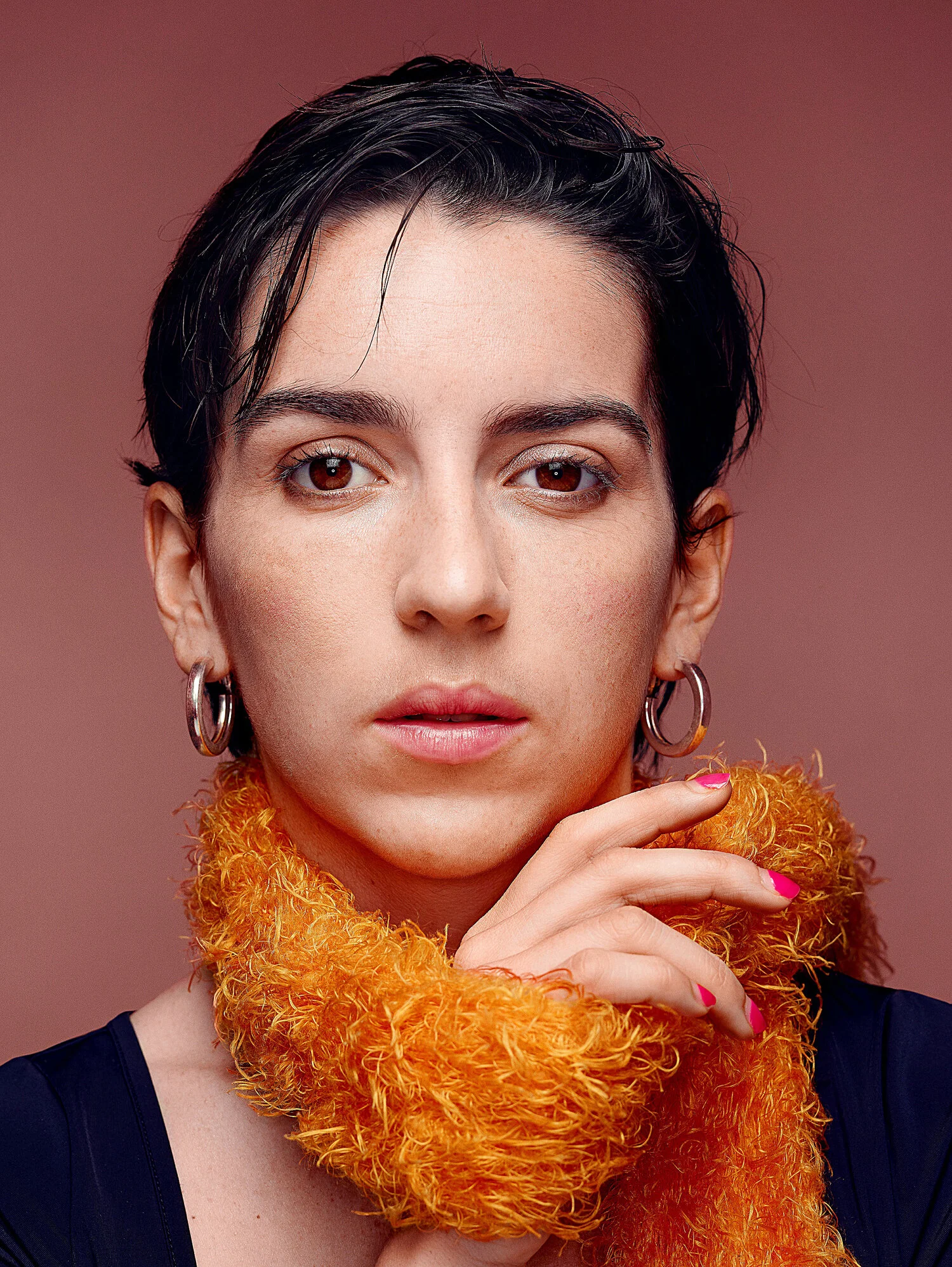
Marine Serre won the LVMH Prize in 2017, becoming its youngest winner ever, which helped her start her own brand. She focuses on sustainability and futuristic designs. Her breakthrough collection, Radical Call for Love, used fashion to talk about climate change and social issues.
Serre is known for her crescent moon print, which appears on clothes, accessories, and even shoes, making her collections instantly recognizable. She creatively uses recycled fabrics, old scarves, leftover textiles, and deadstock materials, to make new, high-fashion pieces.
Her designs mix sportswear comfort with couture quality, proving that eco-friendly fashion can still be luxurious. Celebrities wear her work, and she has collaborated with other brands, showing how young designers can combine purpose with style.
41. Virginie Viard (1962-present)
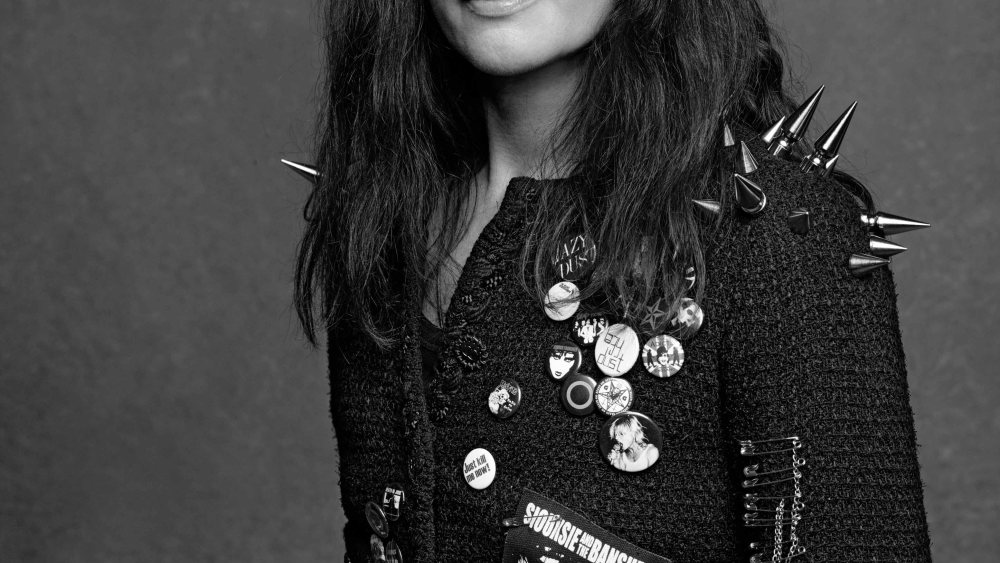
Virginie Viard worked with Karl Lagerfeld at Chanel for many years before taking over as creative director in 2019. Her style is quieter and more practical than Lagerfeld’s dramatic shows. She updates Chanel’s classic tweed jackets, pearls, and tailored pieces in a softer, modern way.
Viard makes clothes that are elegant and wearable, while still keeping Chanel’s identity. She focuses on details like embroidery, textures, and patterns to refresh traditional designs for today. Her collections appeal to both older and younger customers, keeping Chanel relevant without losing its heritage.
42. Olivier Rousteing (1985-present)
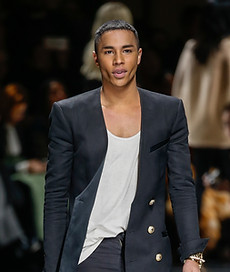
Olivier Rousteing became Balmain’s creative director in 2011 at just 25, quickly turning the brand into a social media powerhouse. His designs are bold and eye-catching, with embellished jackets, bodycon dresses, and strong shoulders perfect for Instagram.
Rousteing created the “Balmain Army,” a group of celebrities and models who promote the brand online. He celebrates diversity, featuring models of all races, sizes, and genders. Rousteing shows how modern luxury brands must use social media, pop culture, and visibility to stay relevant while keeping high-quality fashion.
43. Giambattista Valli (1966-present)
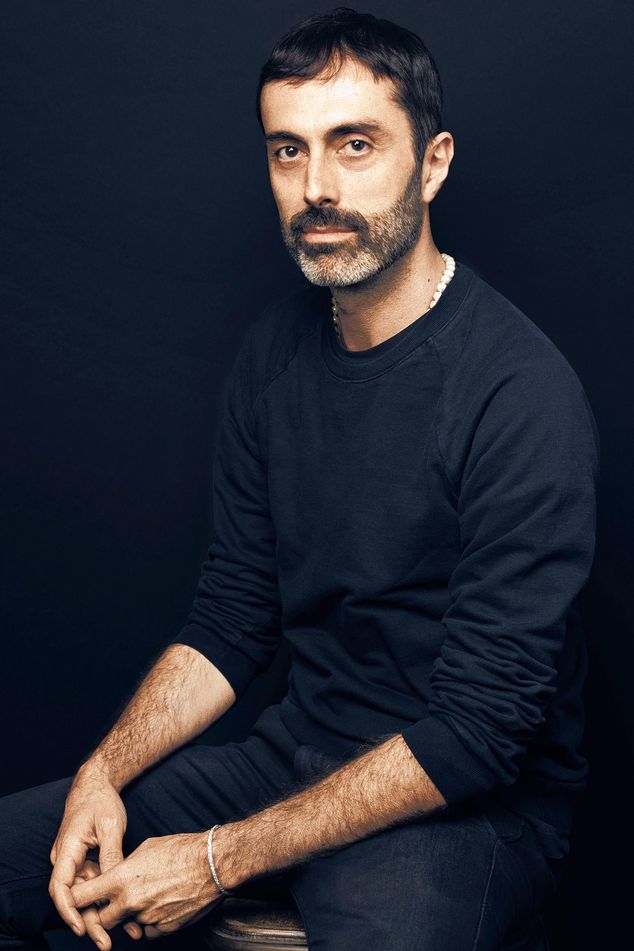
Giambattista Valli, originally from Italy, started his Paris brand in 2005. He is known for romantic and feminine haute couture with flowing fabrics, big skirts, and detailed embroidery. His work is both elegant and modern, appealing to women who want timeless fashion.
Celebrities and royalty, including Amal Clooney, wear Valli’s designs. He combines traditional couture techniques with playful touches like lace, tulle, and floral details. His clothes feel luxurious and special without being overly dramatic. Valli focuses on craftsmanship and elegance, creating pieces that remain stylish year after year.
44. Alexandre Vauthier (1975-present)
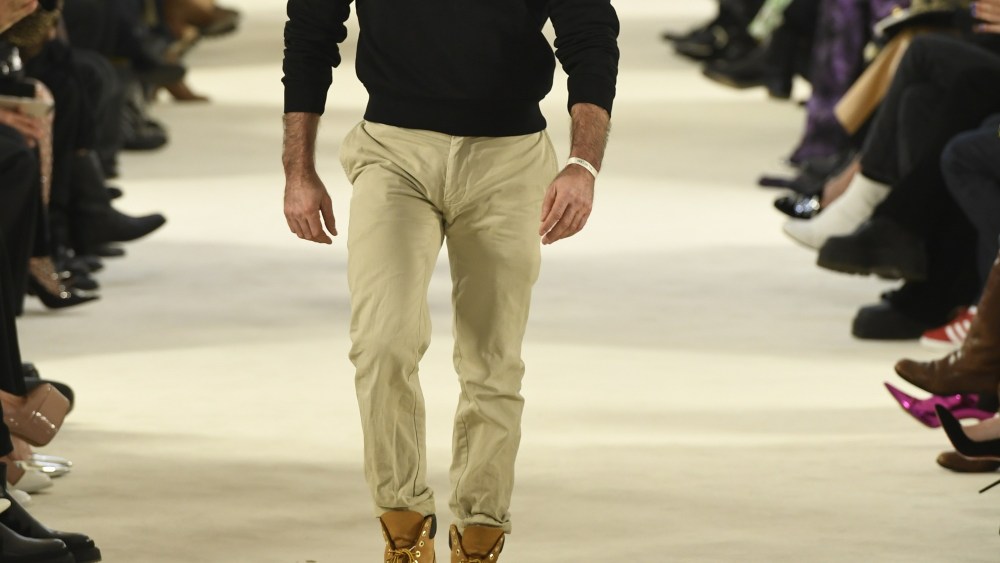
Alexandre Vauthier designs glamorous, eye-catching eveningwear, popular on red carpets around the world. His clothes often have high slits, plunging necklines, and rich fabrics that look perfect in photos.
Vauthier mixes couture techniques with designs made for celebrities, ensuring every piece stands out. Stars like Rihanna, Bella Hadid, and Jennifer Lopez wear his creations, showing how fashion can combine artistry with pop culture appeal. His work proves that designing for special events and high-profile clients is still a successful path in today’s fashion world.
45. Agnès Troublé (agnès B.) (1941-present)
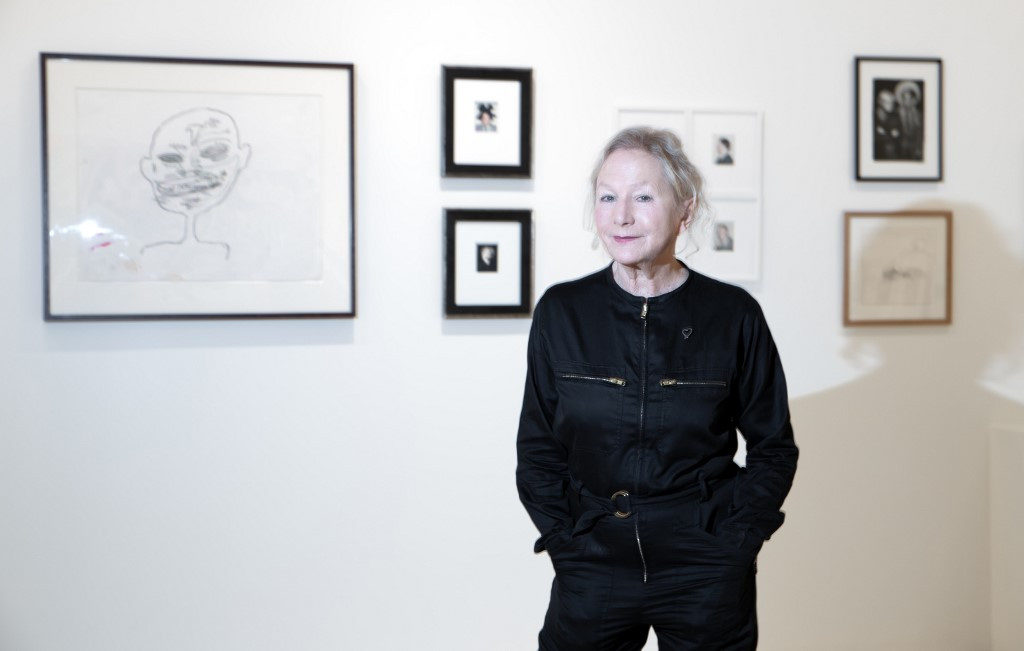
Agnès b. founded her brand in 1975, offering stylish, easy-to-wear French clothing. Her snap-front cardigan and simple, high-quality clothes became symbols of Parisian chic.
Her style focuses on comfort, durability, and timelessness. Agnès b. also works in film and supports the arts, showing how fashion can connect with culture in many ways. Her philosophy values practicality and creativity, proving that classic, versatile clothing can remain popular for decades.
46. Jeanne Damas (1992-present)
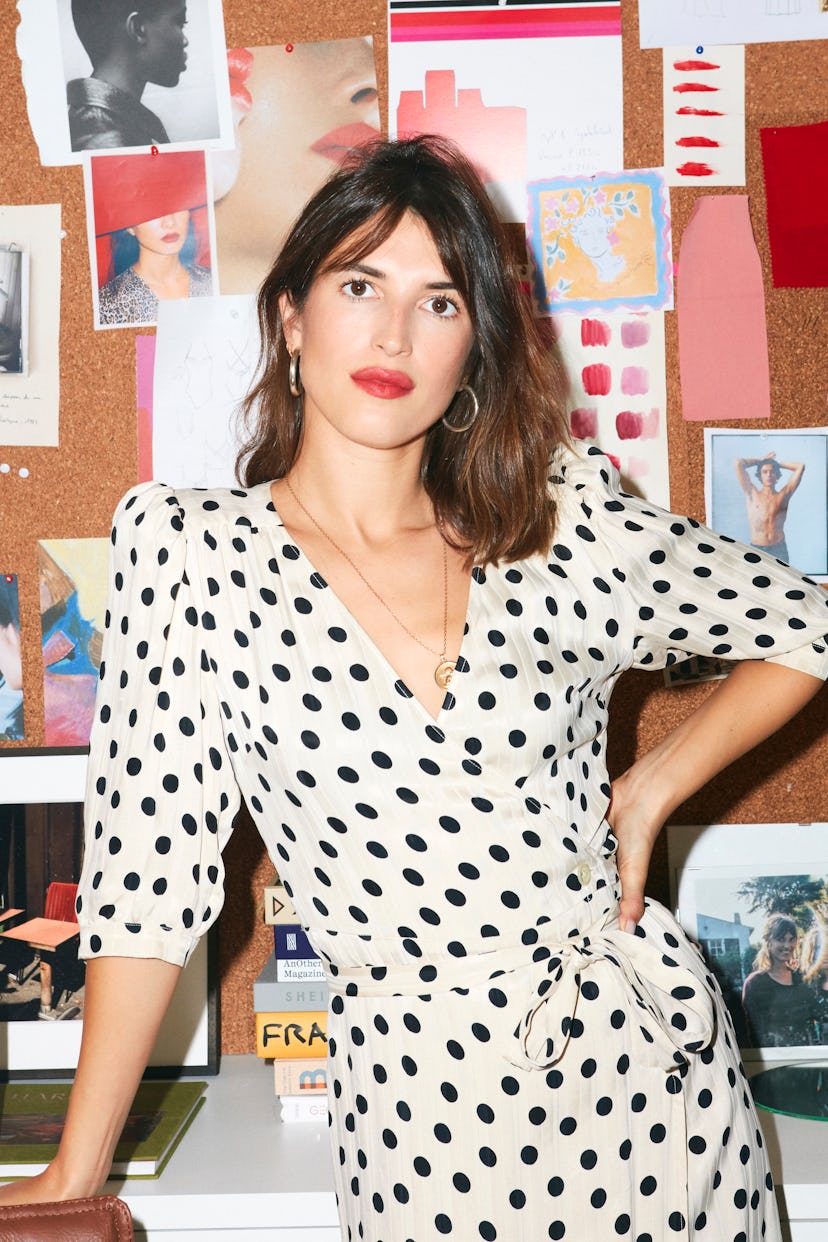
Jeanne Damas created her brand Rouje, combining her fashion designs with Instagram influence. Her style includes vintage-inspired dresses, natural makeup, and simple but elegant looks, representing the modern “French girl” aesthetic.
Damas uses social media to connect with her audience and tell stories about her brand. She makes clothes that are stylish yet comfortable, showing that luxury can be accessible. Her success proves that new designers can grow brands through digital presence and personal influence, not just traditional fashion shows.
47. Stéphane Rolland (1967-present)
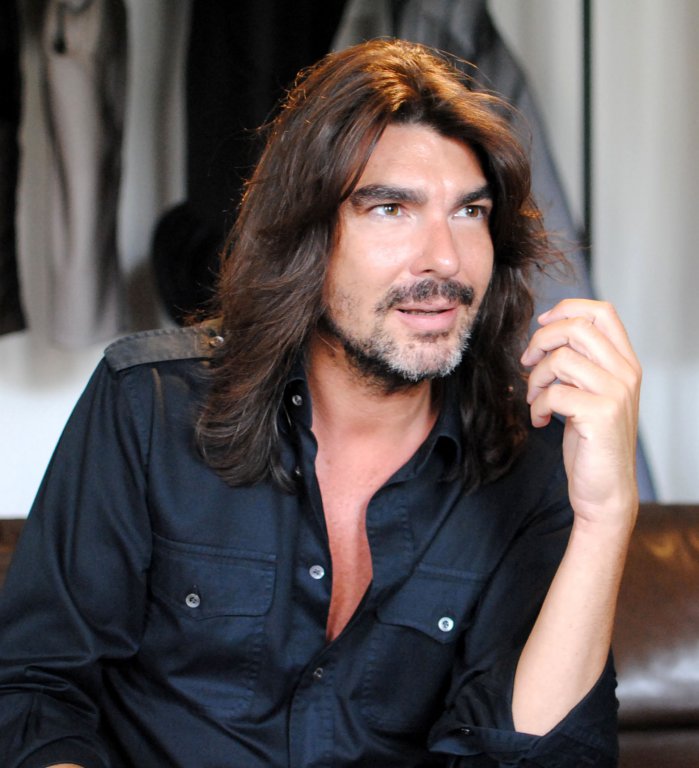
Stéphane Rolland runs a haute couture brand recognized by France’s fashion authorities. His designs are dramatic, sculptural, and full of movement. He treats clothes like three-dimensional art, combining volume, shapes, and contrasting textures.
Rolland keeps the haute couture tradition alive while creating pieces for modern clients who want unique, show-stopping fashion. His work balances artistic vision with wearability, proving that high-fashion artistry can still be relevant in today’s ready-to-wear dominated world.
48. Pierre Hardy (1956-present)
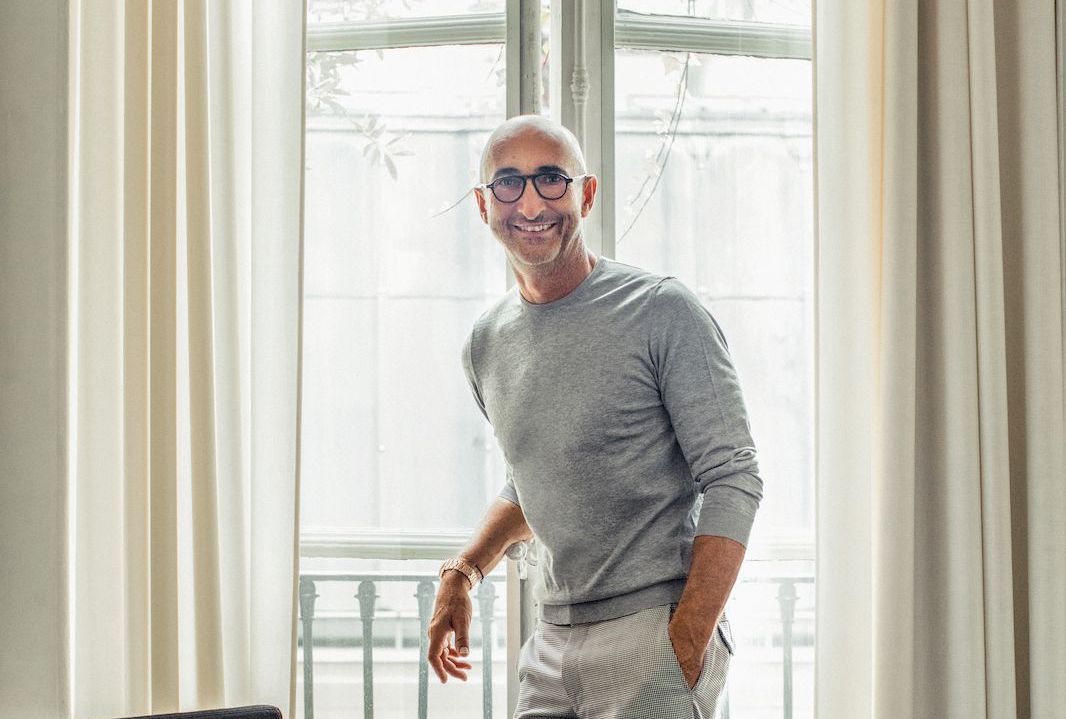
Pierre Hardy focuses on luxury shoes and accessories. His designs are stylish, practical, and carefully crafted. He has collaborated with Hermès and other brands, showing his technical skill and design excellence.
Hardy specializes in accessories rather than full collections, demonstrating that a designer can succeed by mastering one category. His shoes and bags combine comfort with artistic style, becoming essential pieces for modern luxury wardrobes.
49. Bouchra Jarrar (1970-present)
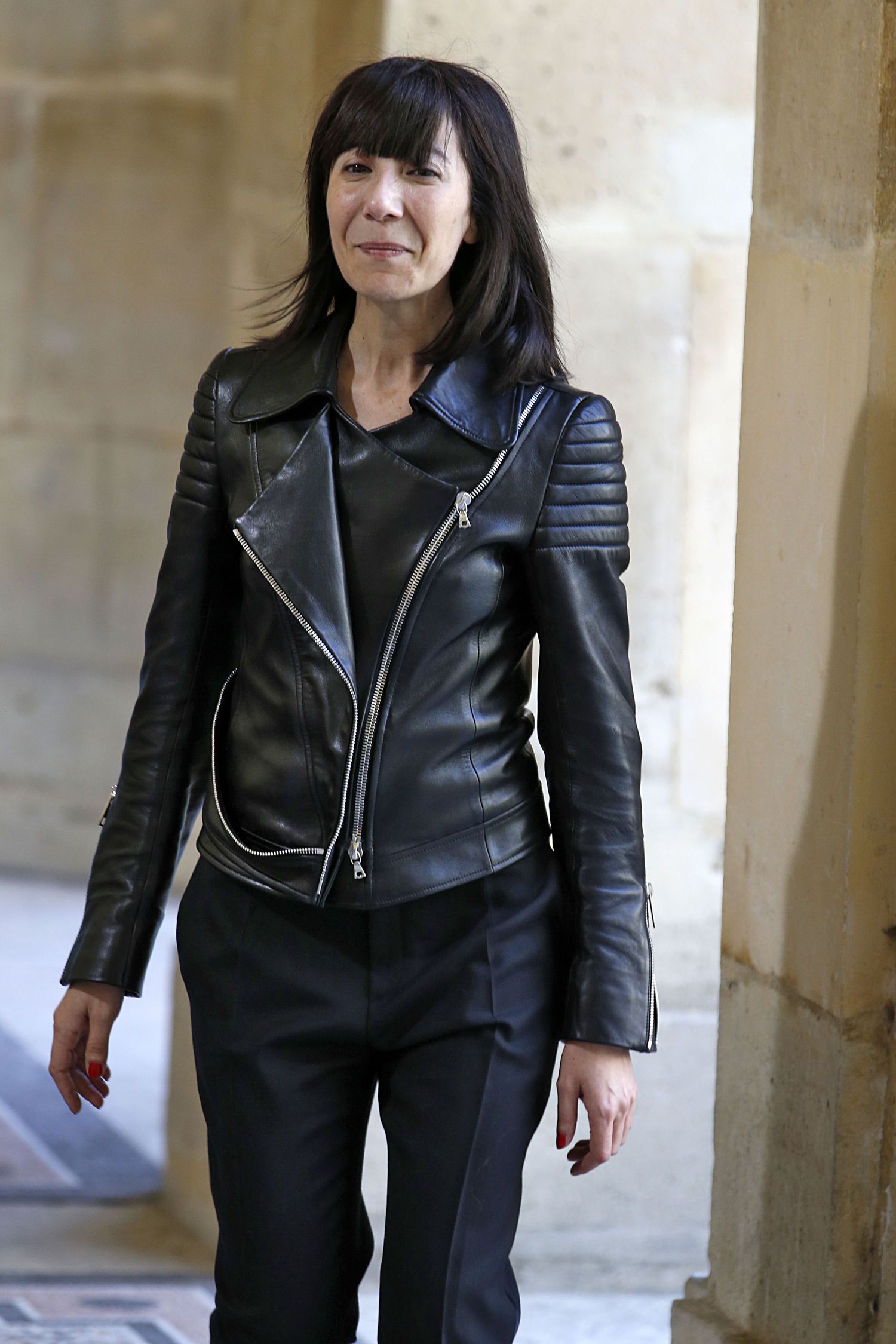
Bouchra Jarrar earned haute couture recognition in 2013 for her precise tailoring and refined designs. She creates women’s clothing inspired by menswear, with clean lines and perfect construction.
Her work emphasizes quality, simplicity, and elegance rather than flashy or dramatic statements. Jarrar’s pieces appeal to clients who want understated luxury and timeless style. She shows that technical skill and thoughtful design remain important in contemporary couture.
50. Jeanne Paquin (1869-1936)
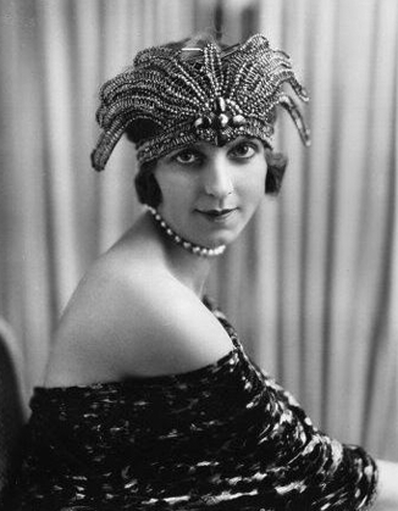
Jeanne Paquin was the first woman couturier to gain international fame. She became known for her elegant and innovative designs that combined Parisian style with practical wearability.
Paquin was also a pioneer in expanding fashion globally, opening branches of her fashion house in cities like London and Buenos Aires, making her one of the first designers to export French fashion. Her designs often featured refined embroidery, tailored silhouettes, and a sense of movement that set her apart from competitors.
Paquin was also among the first designers to use marketing and fashion shows to attract attention, creating a modern model for luxury fashion houses. She proved that women could succeed at the highest levels of couture while shaping the global fashion industry.
People Also Ask
Who Are The Most Famous Fashion Designers In France?
Christian Dior, Chanel, Lanvin, Hermès, Louis Vuitton these globally-renowned institutions are uniquely French luxury fashion houses that all had their beginnings in Paris, all founded by the person whose name they still bear today.
Who Is Considered The "Father Of Haute Couture"?
While many iconic French designers exist, the Englishman Charles Frederick Worth is widely credited as the father of modern Haute Couture. In 1858, he opened the first "Maison" in Paris, being the first to sign his creations with a label and use live models to showcase his designs.
Why Is Paris Known As The World’s Fashion Capital?
Paris’s dominance began under King Louis XIV, who centralized the luxury textile trade in France. This foundation allowed 19th and 20th-century designers like Louis Vuitton, Coco Chanel, and Christian Dior to build global empires backed by a uniquely French infrastructure of craftsmanship (savoir-faire).
Final Thoughts
The history of these 50 designers is more than a timeline of trends; it is the story of how Paris became the world's creative heart. From Worth's first signature to Dior’s architectural silhouettes and Chanel’s modern simplicity, these creators transformed clothing into a global symbol of culture and prestige.
Today, the French fashion industry remains a dominant economic force, blending centuries-old craftsmanship with a new focus on sustainability and digital innovation.