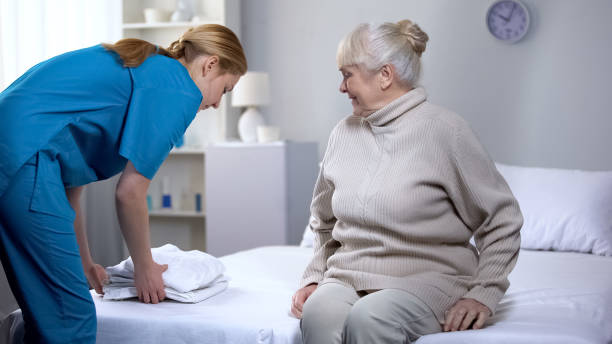
Dressing can be a simple task for many, but for caregivers and individuals with limited mobility, it can be a daily struggle. The challenges of buttons, zippers, and tight-fitting garments can lead to frustration, discomfort, and even injury. Easy-access clothing, also known as adaptive clothing, offers a practical and compassionate solution, promoting dignity, independence, and ease for both caregivers and those in their care.
The right clothing can truly make a world of difference. It’s about more than just getting dressed; it's about preserving dignity, fostering independence, and making the caregiving experience smoother and more comfortable for everyone involved.
What Is Easy-Access Clothing For Caregivers?
Easy-access clothing refers to specially designed garments that simplify the dressing and undressing process for individuals with mobility challenges, medical conditions, or disabilities. These adaptive clothes are created to assist caregivers in providing efficient, stress-free care while ensuring comfort and dignity for the wearer. In addition to personal care settings, adaptive clothing for work environmentsis essential for professionals who need functional, comfortable, and easy-to-wear attire that supports mobility and minimizes strain throughout the day.
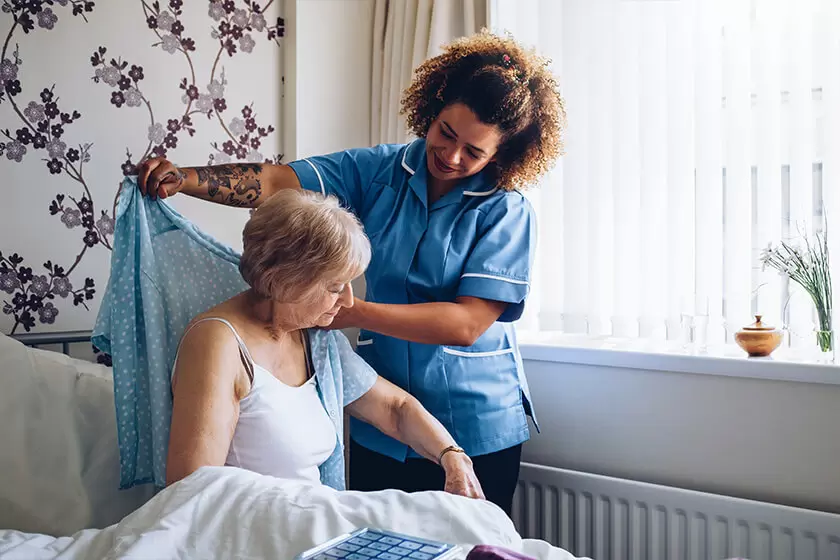
Key Features Of Adaptive Clothing
Adaptive clothing is thoughtfully designed to address these specific challenges. Several key features distinguish it from conventional clothing:
1. Adaptive Closures
Velcro, magnetic snaps, and front closures replace traditional buttons and zippers, making garments easier to fasten and unfasten. Velcro clothing for seniors is particularly beneficial, offering adjustability and ease of use for those with arthritis or limited dexterity. While Velcro allows for quick fastening, magnetic snaps provide a secure closure with minimal effort. Front closures further simplify dressing for individuals with limited reach.
2. Open-Back Designs
Open-back shirts and blouses are designed to be put on while seated or lying down, eliminating the need to raise arms overhead. This is particularly helpful for individuals with limited shoulder mobility or those who experience pain during movement.
3. Side-Opening Garments
Side-opening pants and skirts allow for easy dressing for individuals with hip or leg issues. These garments often feature Velcro or zipper closures along the side seams, facilitating dressing without requiring the individual to stand.
4. Stretchable Fabrics
Stretchable fabrics, such as cotton blends or knits, provide comfort and ease of movement. These fabrics adapt to the body's contours and reduce pressure points, making clothing more comfortable to wear, especially for individuals with sensitive skin or joint pain.
5. Loose-Fitting Styles
Loose-fitting styles promote comfort and reduce pressure on sensitive areas. Garments that are not too tight allow for greater freedom of movement and can also accommodate medical devices or bandages.
6. Minimal Fastenings
Reducing the number of buttons, zippers, or other fastenings simplifies the dressing process and minimizes the dexterity required. This is particularly beneficial for individuals with arthritis or other conditions that affect hand function.
7. Consideration Of Seams And Tags
Seams and tags are often placed strategically to avoid irritation and pressure on sensitive skin. For seniors who need easy to put on clothes for elderly, seamless designs help prevent discomfort and make dressing a more comfortable experience. These clothing options reduce friction, making them ideal for those with particularly sensitive skin.
The Importance Of Easy-Access Clothing
The Physical And Emotional Challenges Of Caregiving
Caregiving involves a range of physically demanding tasks, from lifting and repositioning patients to dressing and undressing them multiple times a day. Traditional clothing with buttons, zippers, and stiff fabrics can make these tasks even more challenging, particularly when assisting individuals with:
- Arthritis or limited dexterity:Difficulty using small fastenings such as buttons or zippers.
- Stroke recovery:Limited movement on one side of the body makes dressing a challenge.
- Dementia or Alzheimer's:Patients may resist dressing or become disoriented during the process.
- Post-surgical recovery:Bandages, catheters, or IV lines require special clothing designs to prevent discomfort.
Reducing Stress And Improving Efficiency
Easy-access clothing is designed to simplify the dressing process, making it quicker and less physically demanding. Features like magnetic closures, Velcro fastenings, and elastic waistbands allow caregivers to assist patients with minimal effort, reducing stress and improving overall comfort for both parties.
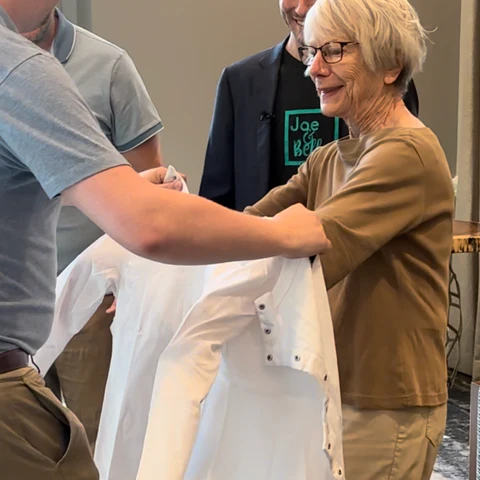
Benefits For Caregivers
Easy-access clothing offers numerous benefits for caregivers:
1. Reduced Physical Strain
Adaptive clothing minimizes the need for lifting, pulling, and twisting, reducing the risk of back injuries and other physical strains for caregivers. Proper body mechanics are still important, but easy-access clothing helps make dressing easier and less physically demanding.
2. Saves Time And Effort
The simplified closures and designs of adaptive clothing significantly reduce the time and effort required for dressing. This allows caregivers to allocate more time to other essential tasks and spend more quality time with the individual.
3. Improved Caregiving Experience
A smoother, less stressful dressing process improves the overall caregiving experience. It reduces frustration for both the caregiver and the individual, fostering more positive interactions.
4. Increased Independence For The Individual
By enabling individuals to participate more actively in the dressing process, adaptive clothing promotes independence and reduces reliance on the caregiver. This fosters a sense of accomplishment and self-esteem for the individual.
5. Enhanced Dignity And Comfort
Adaptive clothing allows caregivers to dress individuals with dignity and respect. The focus is on ease and comfort, rather than struggling with restrictive clothing.
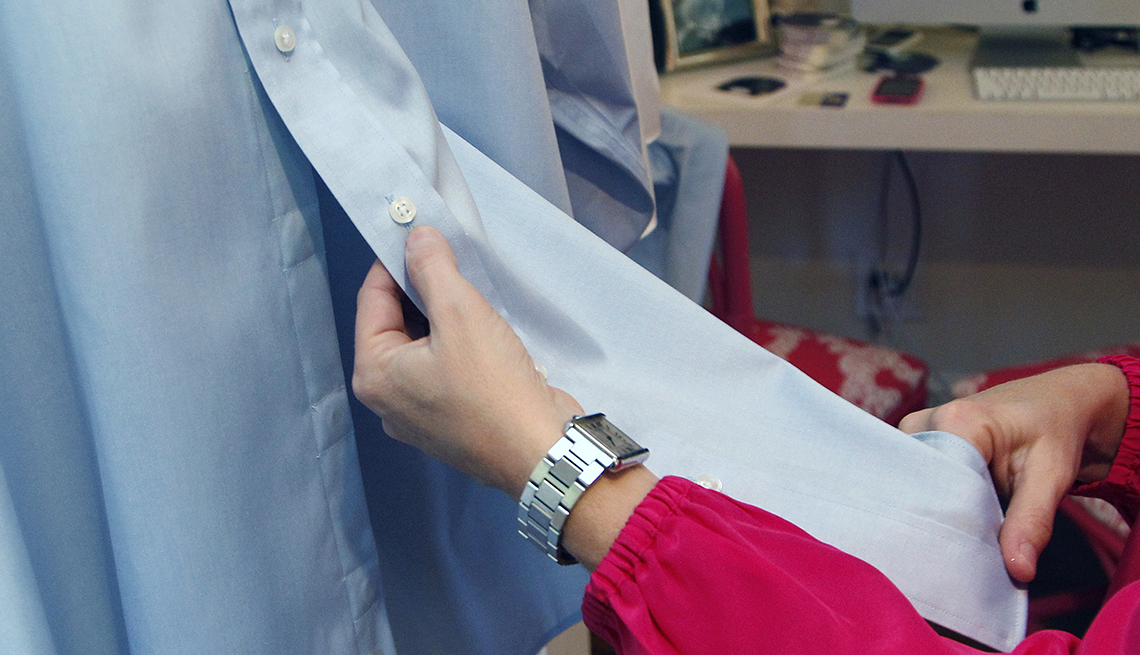
Benefits For Individuals With Limited Mobility
Individuals with limited mobility also experience significant benefits from easy-access clothing:
1. Increased Independence In Dressing
Adaptive clothing empowers individuals to dress themselves more easily, fostering a sense of independence and control. This can be particularly important for maintaining self-esteem and a positive body image.
2. Greater Comfort And Dignity
Comfortable, well-fitting adaptive clothing promotes a sense of well-being and allows individuals to feel more comfortable in their own skin. The focus on ease of use preserves dignity and reduces feelings of vulnerability.
3. Reduced Pain And Discomfort
Adaptive clothing can minimize pain and discomfort associated with dressing, especially for individuals with arthritis, joint pain, or other physical conditions. Stretchable fabrics and loose-fitting styles reduce pressure points and allow for greater freedom of movement.
4. Improved Self-Esteem And Body Image
Being able to dress independently and comfortably can significantly improve self-esteem and body image. Adaptive clothing allows individuals to feel more confident and in control of their appearance.
5. Easier Access For Medical Examinations And Treatments
Adaptive clothing can facilitate medical examinations and treatments by providing easier access to specific areas of the body.
Best Easy-Access Clothing For Different Needs
Not all adaptive clothing is the same. Different individuals require different styles of easy-access apparel based on their health conditions and mobility levels.
1. Clothing For Seniors & Disabled Individuals
Elderly individuals and those with physical disabilities need adaptive clothing that supports ease of movement and dressing. Finding easy to put on clothes for elderly can make daily routines less stressful, allowing for greater independence and comfort. Some excellent options include:
- Open-back hospital gowns:Ideal for those who require frequent medical examinations.
- Elastic waist pants:Easy to pull up and down without requiring precise movements.
- Adaptive shirts with side openings:Reduces the need to lift arms during dressing.
- Non-slip socks and easy-on footwear:Prevents falls and ensures safety.
2. Clothing For Post-Surgery & Bedridden Patients
Patients recovering from surgery or those who are bedridden require clothing that accommodates their medical needs. Recommended clothing includes:
- Tear-away pajama pants:Provides easy access to bandages, wound care, and medical devices.
- Soft, hypoallergenic fabrics:Reduces irritation and improves comfort.
- Adaptive nightwear:Designed for long periods of wear without discomfort.
3. Clothing For Dementia Or Alzheimer’s Patients
Patients with cognitive impairments may have difficulty dressing or may attempt to remove their clothing at inappropriate times. Adaptive clothing solutions include:
- Anti-strip jumpsuits:One-piece outfits that prevent patients from undressing themselves.
- One-piece outfits with back zippers:Maintains dignity and security.
- Tagless and soft-textured clothing:Reduces sensory discomfort and irritation.
4. Clothing For Caregivers Themselves
Caregivers also need practical clothing that supports their physically demanding roles. The best choices include comfortable, breathable fabrics and adaptive designs that allow easy movement. For those who prefer a simple yet stylish look, natural hair braid stylescan be a practical and low-maintenance option, keeping hair neat and out of the way during daily tasks. The best choices of clothing include:
- Stretchable scrubs with multiple pockets:Convenient for carrying essential items.
- Moisture-resistant and durable fabrics:Keeps caregivers comfortable during long shifts.
- Slip-resistant shoes:Provides safety when assisting with mobility.
How To Choose The Right Clothing
Selecting the right adaptive clothing requires careful consideration of individual needs and preferences:
- Assessing Individual Needs and Abilities:Consider the individual's physical and cognitive limitations, as well as their personal preferences. What types of closures are easiest for them to use? What fabrics are most comfortable for their skin?
- Considering Fabric, Style, and Closures:Prioritize comfort, functionality, and ease of use. Choose fabrics that are soft, breathable, and easy to care for. Select styles that are appropriate for the individual's lifestyle and preferences.
- Prioritizing Comfort and Functionality:The primary goal is to make dressing easier and more comfortable. Choose garments that are easy to put on and take off, and that allow for freedom of movement.
- Consulting with Healthcare Professionals or Adaptive Clothing Specialists:Healthcare professionals, occupational therapists, or adaptive clothing specialists can provide valuable guidance in choosing the right adaptive clothing.
Where To Buy Easy-Access Clothing
Finding high-quality adaptive clothing is easier than ever, with many brands specializing in this niche. Some of the best places to buy easy-access clothing include:
- Online adaptive clothing stores:Brands like Silverts, Buck & Buck, and Ovidis offer specialized designs.
- Major retailers:Stores like Amazon, Walmart, and Target have expanded their selection of adaptive clothing.
- Medical supply stores:Local shops often stock medical-grade garments suitable for patients with specific needs.
Tips For Caregivers When Using Adaptive Clothing
Here are some helpful tips for caregivers when using adaptive clothing:
- Communicating with the Individual:Respect the individual's preferences and involve them in the decision-making process whenever possible. Communicate clearly and patiently throughout the dressing process.
- Creating a Comfortable and Supportive Environment:Ensure a comfortable and private environment for dressing. Maintain a calm and supportive demeanor.
- Using Proper Body Mechanics to Prevent Injury:Use proper lifting techniques and body mechanics to protect yourself from injurywhen assisting with dressing.
- Encouraging Independence and Participation:Encourage the individual to participate as much as possible in the dressing process; this fosters independence.
Self-Care For Caregivers
Caregiving can be both physically and mentally exhausting. Finding small ways to relax is essential for maintaining focus and emotional balance. Engaging in stress-relieving activities like solving puzzles can help caregivers recharge. Websites like Lucid Puzzleoffer interactive brain games that promote mental relaxation and cognitive stimulation
FAQs
What Is The Difference Between Adaptive Clothing And Regular Clothing?
Adaptive clothing is specifically designed to make dressing easier for individuals with limited mobility or other physical challenges. It incorporates features like adaptive closures, open-back designs, and other modifications that are not typically found in regular clothing. Regular clothing is designed for individuals without specific dressing challenges.
How Does Easy-access Clothing Benefit Bedridden Patients?
Easy-access clothing reduces discomfort, prevents pressure sores, and makes it easier for caregivers to change garments without unnecessary movement.
What Is The Best Fabric For The Elderly?
To enhance comfort, seniors should consider opting for fabrics known for their gentle touch and soothing properties. Three beneficial fabrics for older adults are cotton, silk, and linen. Cotton: Cotton is known for its breathability and soft texture, minimizing skin irritation.
What Kind Of Clothes Do Caregivers Wear?
In-Home Care: Comfort and practicality are key. Casual, yet professional attire such as polo shirts, comfortable slacks, or scrubs can be suitable.
Are There Any Support Groups Or Resources For Caregivers Dealing With Dressing Challenges?
Many support groups and online resources are available for caregivers dealing with dressing challenges. These resources can provide valuable information, tips, and emotional support. Local agencies on aging or disability services may also be able to connect you with resources in your community.
Final Thoughts
Easy-access clothing is a game-changer for both caregivers and those receiving care. The right apparel can make daily routines smoother, reduce physical strain, and enhance the comfort and dignity of individuals with mobility challenges.
By choosing adaptive clothing that meets specific needs, caregivers can create a more efficient and compassionate caregiving experience. For those caring for a loved one or working in the healthcare field, investing in easy-access clothing is a practical step toward providing better care with less stress.